

How Frequency Wearables Can Naturally Support Balance and Well-Being
If you have been curious about how to put targeted resonance frequencies into practice without guesswork, you are in the right place. A simple, step-by-step plan turns good intentions into real changes you can feel. I learned this after a month of winging it with playlists and meditation. The results were unpredictable until I built a routine that told me when to use what, and why it mattered. With a clear checklist, you will stop wondering whether it is working and start noticing where you are sleeping faster, feeling calmer, and moving with less tension.
Anywhere Healing brings structure to this process with wearables that read your body’s signals and respond in real time. Their advanced biosensors assess your state and deliver adaptive signals designed to support stress relief, sleep, circulation, energy and recovery, and emotional balance in a non-invasive, drug-free way. Think of it as giving your cells an easy-to-follow rhythm. Below, you will find a friendly, actionable walkthrough that helps you choose a device, set a schedule, track results, and avoid common pitfalls. Ready to make this a ritual you actually keep?
Pre-work checklist
- Clarify your goal. Decide what success looks like for you. Is it falling asleep in under twenty minutes, waking with fewer aches, staying calm through a busy afternoon, or bouncing back faster after workouts? Pick one or two outcomes so progress is obvious and motivating.
- Learn the basics of frequency tuning. Understand that different tuning references and frequencies can feel different to listeners. You do not need to become a physicist. You just need to know you are choosing a steady reference tone or program that many people perceive as relaxing and centering.
- Choose your wearable wisely. Anywhere Healing offers several wearable options to match different preferences. Pick the one that fits your routine rather than trying to force your routine to fit the device.
| Device | Best For | Primary Placement | Typical Session Length | Standout Feature |
|---|---|---|---|---|
| Frequana | Circulation, energy, and recovery | Wrist | Varies; follow app guidance | Multi-biosensor design focused on circulation and recovery support |
| Alpha Wearable | Midday stress relief, focus, post-workout recovery | Wearable (refer to product guidance) | Varies; follow app guidance | Adaptive biosensors that modulate frequencies using heart, oxygen, and thermal inputs |
| Charisma Ring | Daytime steadiness, social ease, mood balance | Ring finger | Varies; follow app guidance | Subtle, on-the-go support with easy micro-sessions |
- Dial in sizing and placement. Make sure straps and rings fit snugly but comfortably. Better contact equals better signal consistency. Aim to place wearables closer to the area you want to influence, while also honoring comfort and mobility.
- Set a baseline. Before your first session, record a few metrics you care about if they are available via your device or app: sleep latency, total sleep time, deep sleep minutes, resting heart rate, heart rate variability (HRV) [heart rate variability (HRV)], discomfort/pain level using the numeric rating scale (NRS) [numeric rating scale (NRS)], and a simple 1 to 10 mood check-in. No fancy tools needed. Your phone notes app works.
- Prep your space. Reduce distractions. Dim the lights in the evening. If you can, minimize electromagnetic field (EMF) [electromagnetic field (EMF)] clutter near your resting area by moving routers away from the bedroom. Cue up a quiet spot so your body learns the pattern.
- Hydrate and mineralize. Hydration supports healthy circulation. A pinch of mineral-rich salt in water can help if you sweat heavily or drink mostly coffee. Your cells communicate better when the internal environment is balanced.
- Set expectations. Even subtle physiological shifts stack up. Many people sense changes in one to three sessions, and more robust patterns appear around weeks two to four, based on user reports and wellness program data.
Quick context: fatigue, poor sleep, daily stress, and persistent tension often start when natural cellular rhythms drift from their healthy patterns. Anywhere Healing’s biosensor-led approach listens for these disruptions and delivers targeted signals intended to support a return toward balance. That means less guesswork and more steady progress.
Execution checklist: run your frequency routine
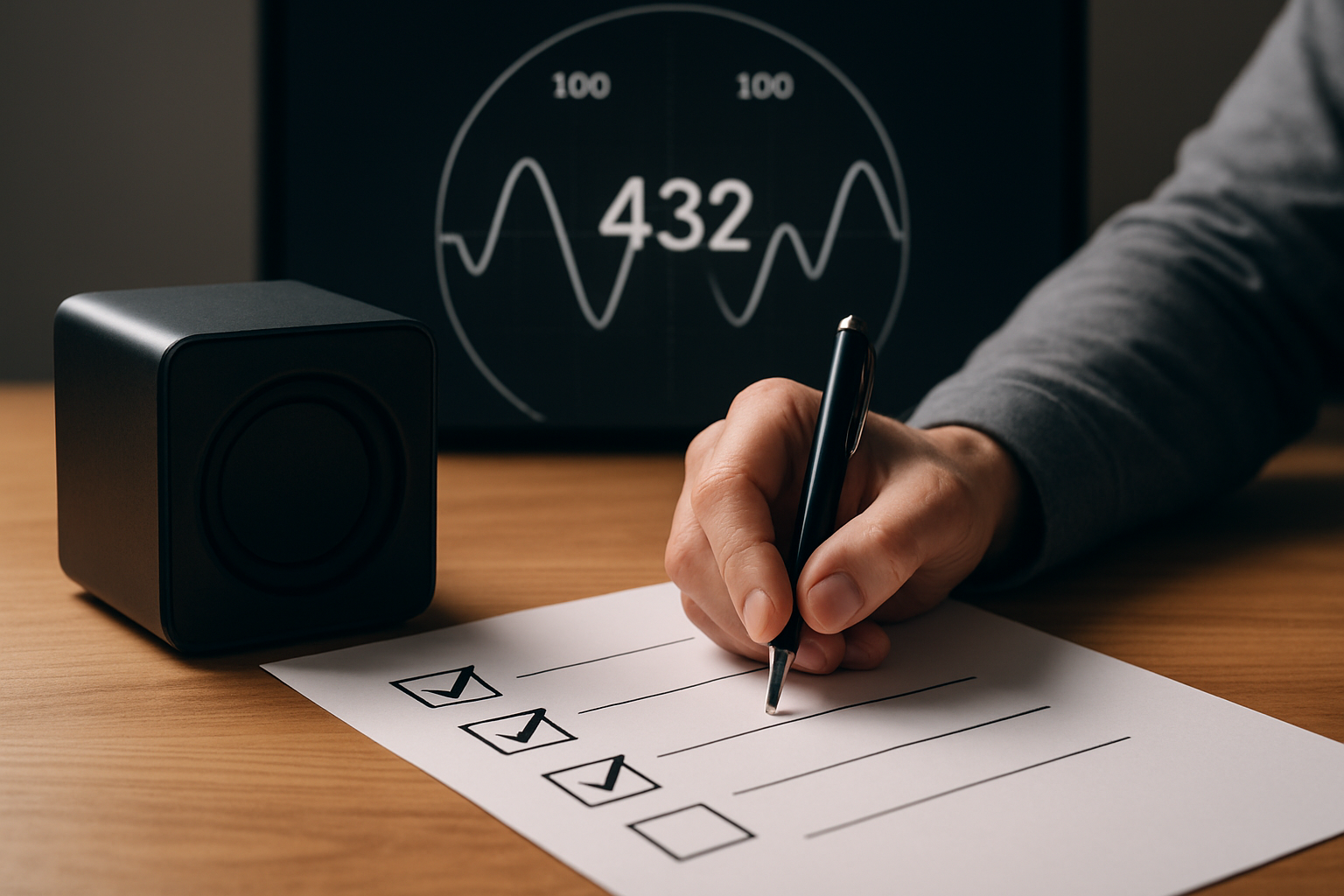
Watch This Helpful Video
To help you better understand 432 hz frequency, we've included this informative video from Healing Energy for Soul. It provides valuable insights and visual demonstrations that complement the written content.
- Start with a simple daily cadence. Commit to two touchpoints: a short daytime session and an evening wind-down. Consistency beats intensity. Your nervous system likes reliable cues, the way a favorite song relaxes you before the first chorus.
- Activate the wearable and let it read you first. Give the biosensors ten to thirty seconds to detect your current state. Think of this like tuning an instrument to the room before the performance.
- Begin with low doses, then build. If you are new, try 10 to 15 minutes during the day and 20 to 30 minutes at night as a starting point. If you already meditate or breath-train, you can extend by five minutes as comfort grows. The body appreciates a thoughtful warm-up.
- Pair with breath and posture. During sessions, breathe slowly through the nose with longer exhales. Aim for five to six breaths per minute. Sit or lie with shoulders relaxed and jaw unclenched. This enhances parasympathetic activation and complements the frequency session.
- Stack with sleep hygiene. Run your evening session 60 to 90 minutes before bed. Keep lights low, screens minimal, and room cool. Try a gentle transition ritual: journal three lines, sip water, and let the wearable do its quiet work.
- Address localized discomfort intentionally. For localized tension or discomfort, place the wearable closer to the area if comfortable, and run two short sessions separated by a short rest. Many users like a mid-afternoon session to bridge energy dips and a second before bedtime to calm lingering tension.
- Fuel recovery with simple habits. Add a short walk, light stretching, or legs-elevated rest after sessions. Motion helps microcirculation and lymphatic flow, which supports recovery.
- Adjust intensity based on response. If you feel wired, shorten the session or shift it earlier in the day. If you feel relaxed but sluggish, try a brief movement break after the session or schedule it earlier.
- Use micro-sessions for busy days. The Charisma Ring is great for five-minute resets before meetings or commutes. Quick intervals still nudge your system back toward center.
- Log what you feel. After each session, jot a two-sentence note: what you ran, and how you felt ten minutes later. This builds your personal playbook faster than memory alone.
| Time of Day | Purpose | Wearable | Duration | Notes |
|---|---|---|---|---|
| Morning | Calm focus, set tone | Alpha Wearable | 10 to 15 minutes | Pair with slow breathing and sunlight exposure |
| Midday | Stress reset, posture check | Charisma Ring | 5 to 10 minutes | Walk for five minutes after session |
| Evening | Wind-down, ease tension | Frequana | 20 to 30 minutes | Low lights, no heavy meals |
| Pre-sleep | Sleep onset and depth | Frequana | 10 minutes (optional) | If you wake during the night, try a brief session |
Personal note: I noticed the biggest difference when I kept my evening session consistent for five nights straight. By night three, my mind stopped racing at lights-out. By night five, I woke up before my alarm feeling steady rather than groggy. Small, predictable cues can move mountains over a week.
Validation checklist
- Track a handful of signals. Keep it simple. Monitor sleep latency, deep sleep minutes, resting heart rate, heart rate variability (HRV) [heart rate variability (HRV)], discomfort level using the numeric rating scale (NRS) [numeric rating scale (NRS)], and a 1 to 10 mood score—when those metrics are available via your device or app. More data is not better. The right data is better.
- Use a before-and-after snapshot. Record three to five days of baseline before starting, then check at week two and week four. This gives enough time for patterns to appear without dragging on forever.
- Look for directional change, not perfection. If sleep latency drops by five to ten minutes and deep sleep increases by ten to twenty minutes, that is meaningful. If your resting heart rate falls a few beats and HRV rises, your system may be recovering better.
- Try a gentle A/B test. On two nights per week, keep your pre-bed routine the same but skip the evening session. Compare sleep and morning mood. Alternating helps you notice the difference a session makes.
- Listen to your body’s commentary. Numbers matter, but sensations are the headline. Do you feel less reactive in the afternoon? Are you waking less at night? That experience is the point.
- Adjust with intention. If improvements stall, change one variable: extend evening sessions by five minutes, move daytime sessions earlier, or switch wearable depending on your priority. Keep notes so you can see what worked.
| Metric | Baseline | Week 2 | Week 4 | What It Means |
|---|---|---|---|---|
| Sleep Latency | 35 minutes | 25 minutes | 18 minutes | Faster transition into sleep, often linked to lower evening arousal |
| Deep Sleep | 60 minutes | 75 minutes | 85 minutes | More restorative sleep, better morning clarity |
| Resting Heart Rate | 72 beats per minute | 69 beats per minute | 67 beats per minute | Improved recovery and relaxation response |
| Heart Rate Variability (HRV) [heart rate variability (HRV)] | 38 milliseconds | 45 milliseconds | 50 milliseconds | Greater flexibility in the autonomic nervous system (ANS) [autonomic nervous system (ANS)] |
| Discomfort Score (NRS) [numeric rating scale (NRS)] | 6 out of 10 | 4 out of 10 | 3 out of 10 | Lower perceived discomfort during daily activities (user-reported) |
| Mood | 4 out of 10 | 6 out of 10 | 7 out of 10 | More stable mood and stress resilience |
Why measure? Because small wins compound. Across wellness reports and sleep research summaries, roughly one in three adults do not get enough sleep according to public health agencies like the Centers for Disease Control and Prevention (CDC) [Centers for Disease Control and Prevention (CDC)], and an estimated 20 percent of adults live with ongoing discomfort per World Health Organization (WHO) [World Health Organization (WHO)] and National Institutes of Health (NIH) [National Institutes of Health (NIH)] snapshots. When you track a handful of signals, you give your brain evidence that the inputs you are applying are making a dent in the big, stubborn problems you care about.
Mini case snapshot: Maria, 42, used Frequana nightly for three weeks with a midday Charisma Ring micro-session before a high-stress meeting. She reported falling asleep about fifteen minutes faster and dropped her afternoon discomfort from 5 to 3 out of 10 on most days. She kept notes, and when her week got hectic, her records showed exactly what to return to. That is the quiet power of validation.
Common misses
- Skipping the baseline. Do not rely on vibes alone. Two minutes of pre-work notes become a map you can trust later.
- Overloading from day one. More is not better. A gentle start helps your body integrate changes. If you feel wired, shorten sessions or shift them earlier.
- Inconsistent timing. Your nervous system loves routine. Pick approximate windows and honor them. When life happens, replace what you missed with a short micro-session instead of giving up.
- Ignoring hydration and minerals. Signals travel through living tissue that depends on fluids and electrolytes. Hydration supports healthy circulation, which pairs well with targeted frequency delivery.
- Poor placement. Loose straps or rings reduce signal consistency. Adjust for comfortable contact, especially when targeting a specific area.
- Screen overload before bed. Late-night scrolling fights your session. Give your eyes and brain a break so the wind-down can land.
- Mashing protocols together. If you are also experimenting with different music tunings or other modalities, separate them by at least an hour. Mixed inputs blur what is helping.
- Expecting an instant cure. This is a partnership with your body, not a magic trick. Most people see steady improvements over weeks, just like building fitness.
- Not reviewing the data weekly. A five-minute Sunday check-in keeps you honest. Adjust one variable at a time and note the effect.
- Forgetting the bigger picture. Anywhere Healing wearables are designed to support circulation, stress resilience, and recovery, but they are not a substitute for medical care. If you have a condition, loop in a licensed clinician for guidance.
Anywhere Healing’s approach is intentionally simple: advanced biosensors read your body’s signals, then deliver adaptive frequencies intended to help correct disrupted patterns. This supports healthy circulation and recovery, encourages stress relief, better sleep, and overall vitality, and fits into real life with minimal friction. You bring the consistency; the devices bring the precision.
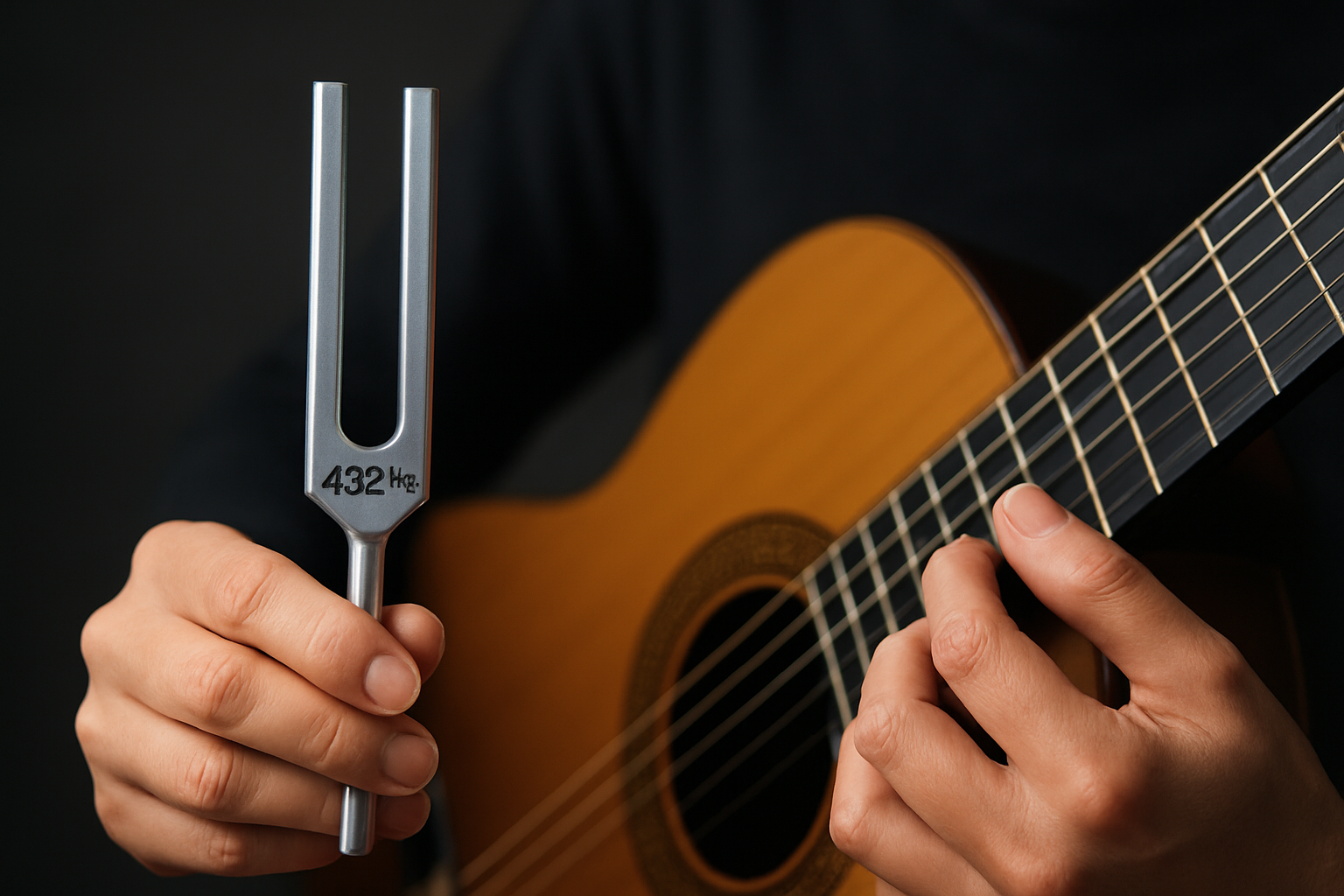
One of my favorite analogies is tuning a guitar. Even high-end instruments drift out of tune after use and travel. Your body is no different. When natural cellular rhythms become disrupted by stress, screens, or tension, a gentle re-tune can change everything. With options like Frequana, Alpha Wearable, and Charisma Ring, you can choose the instrument that matches the song your day demands.
If you have tried meditation apps, supplements, or stretching routines and still feel stuck, consider the missing ingredient: timing. The same frequency feels different on a rushed afternoon than on a mindful evening. The checklist above helps you dial in the when and how so you can finally feel the what.
Most of all, keep it human. If a day goes sideways, celebrate the micro-sessions you did fit in rather than shaming the ones you missed. Momentum loves kindness. Progress follows clarity. Your routine is a living thing, and it will grow with you.
The bottom line: when you apply targeted frequencies with intention, the body often meets you halfway. Anywhere Healing was built to make that simple, steady, and real.
Conclusion
Your body knows how to restore itself when you give it the right signals at the right time. Imagine the next three months with calmer evenings, easier mornings, and less background tension shaping your day. What routines will you protect now so your future self can thank you later with a smile and steady energy shaped by thoughtful frequency work?
Elevate Frequency Results with Anywhere Healing
Experience adaptive frequency delivery to support sleep, recovery, circulation, and emotional balance as biosensors detect your state and adjust programs—designed for individuals seeking non-invasive, drug-free wellness support.
Start Your Reset


