

What Is Frequency Therapy for Wellness? The Wearable Biosignal Guide to Reducing Pain, Improving Sleep, and Restoring Cellular Balance
In a quiet treatment room, a person lies still with headphones on while a soft vibration hums through the table and a wrist monitor glows beside them. The lamp is low. The room is warm. Nothing about it looks like a hospital. Ten minutes in, the shoulders drop. Forty minutes later, they sit up slowly, like waking from a nap they did not plan to take.
If you have been wondering what is frequency therapy for wellness, that scene is the basic idea people mean. You will hear the phrase attached to sound baths, vibrating tables, pulsing tones, and newer wearables that use biosignals and respond with frequency-based input. Vogue captured the cultural shift in 2024 when it noted that sound bathing had moved from fringe yoga studios into hotel spas. That tells you a lot right away: this is a broad wellness trend, not one standardized medical treatment.
I have seen enough glossy recovery rooms and enough smartwatch dashboards to know two things can be true at once. A session can feel genuinely calming. And the marketing can still outrun the evidence. So let’s strip the fog away and talk plainly about what the term means, why people try it, how wearables fit in, and how you can judge whether a session is helping you or just giving you a nice story.
What is frequency therapy for wellness?
Short answer: it is an umbrella term for wellness practices that use sound, vibration, or other frequency-based input in the hope of influencing how you feel.
Watch This Helpful Video
To help you better understand what is frequency therapy for wellness, we've included this informative video from Electro Acupuncture Institute. It provides valuable insights and visual demonstrations that complement the written content.
A simple definition
When people say “frequency therapy,” they usually are not referring to one agreed-upon protocol the way you would refer to a blood test or a physical therapy exercise plan. They mean a category. Inside that category, you will find sound-based sessions, vibration tables or beds, and devices that describe themselves in terms of frequency delivery guided by biosignals.
That broadness matters. If one center in Los Angeles offers headphones plus a vibrating table, and another sells a wearable that reads body signals, both may use the same label even though the experience, mechanism, and evidence are different.
Frequency therapy is a category, not a single proven protocol.
Sound vs. vibration vs. frequency delivery
These terms get lumped together, but they are not identical. Sound is what you hear. Vibration is what you physically feel moving through a surface or your body. Frequency delivery refers to device-based wellness input described in terms of oscillating patterns. All three can be described in terms of frequency, often measured in Hertz, or Hz. In plain English, Hz just means cycles per second.
| Type | What It Is in Plain English | What a Session Might Include |
|---|---|---|
| Sound | Tones or music you hear through the air or headphones | Sound bath, guided audio, pulsing tones |
| Vibration | Mechanical movement you feel through a chair, bed, or table | Vibrating recliner, vibroacoustic table |
| Frequency delivery | Device-delivered input described as energy or pattern rather than audible sound | Wearable or machine-based wellness device |
Acupuncture Toronto explains the idea this way: frequencies can be measured in Hertz, and the body is often framed as having a vibrational frequency of its own. That is the language many wellness providers use. Whether a given device can meaningfully shift your symptoms is the harder question.
Why the term is used so broadly
The label works because it sounds both scientific and spacious. “Frequency” can cover a singing bowl at a retreat, a pulsing bed in a spa, or a wearable on your wrist. Vogue described Quantum Clinic as offering sound- and vibration-based experiences under the same “frequency therapy” banner, which is a good example of how elastic the term has become.
That wide usage also hides a problem: many claims in this space still have not been backed by mainstream science. So when you hear the phrase, do not assume you are hearing about one settled therapy. You are hearing about a family of practices that share a vibe, a vocabulary, and a marketing lane.
Why does frequency therapy matter to wellness seekers?
Because it speaks directly to a common wish: “Can I try something gentle before I add another pill, another appointment, or another exhausting protocol?”
Why non-invasive care appeals
A lot of people want support that feels low-friction. You lie down. You breathe. You listen. Maybe you wear a device. For someone dealing with stress, mild sleep disruption, or body tension after a long workday, that sounds a lot more approachable than a complicated regimen with six moving parts.
I hear this all the time from people who already feel maxed out. They are not asking for a miracle. They are asking for a routine they can tolerate on a Tuesday night. That matters more than wellness copywriters usually admit.
What problems people hope to improve
People usually come looking for relief in four buckets: pain, sleep, stress, and a general sense of feeling “off.” Vogue described sound waves and related frequency-based wellness sessions as being touted in the alternative wellness world as restoratives for body, mind, and spirit. That language is broad because the hopes are broad too.
- Less pain or muscle tension
- Easier time winding down at night
- Lower stress and fewer “wired but tired” days
- More stable energy and mood
Those are real goals. They are also easy goals to oversell. If you are hurting, exhausted, or anxious, even a small improvement feels valuable. That is exactly why you need clear expectations.
Why popularity should not be confused with proof
Vogue framed frequency treatments as a fast-growing wellness trend, not a settled medical category. It also described Quantum Clinic in Los Angeles’s Frogtown neighborhood as a sleek, spa-like space. That detail is useful. A polished room, a beautiful intake form, and a quiet playlist can make almost anything feel established.
Popularity is not the same thing as evidence.
And that is where people get tripped up. Sound bathing moving from yoga studios into hotel spas tells you the category has cultural momentum. It does not tell you every claim attached to it has been proven. Trend and truth are not twins.
How does frequency therapy work?
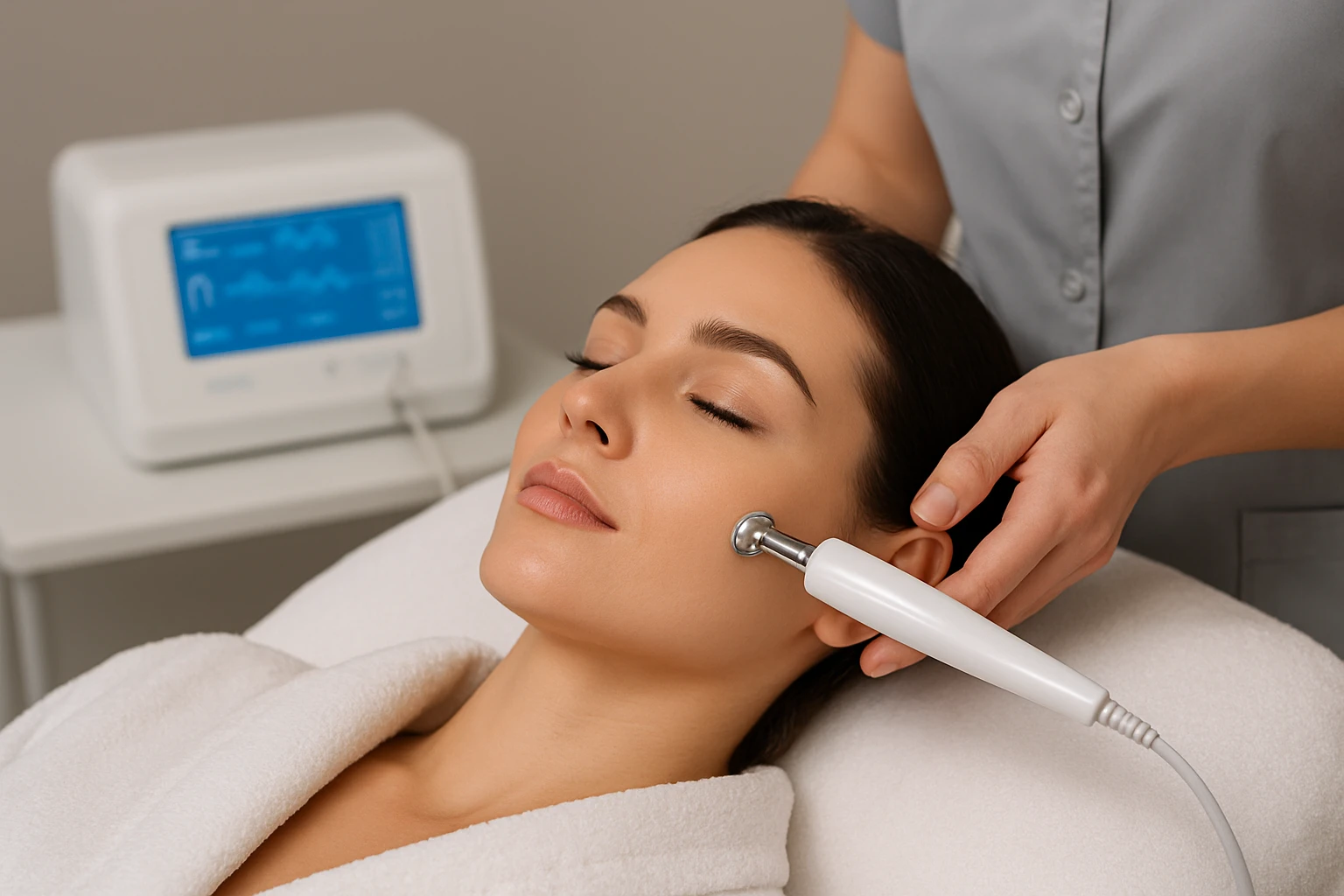
The proposed mechanism is simple on paper: use sound, vibration, or related frequency input to influence the nervous system and, through that, change how the body feels.
The role of sound waves and vibration
Vogue described one session with headphones, pulsing tones, and a vibrating bed working together. That combination makes intuitive sense as a sensory experience. Repetitive sound can capture attention. Vibration can make you feel physically grounded. A quiet room can reduce outside stimulation. Put it together, and you may feel calmer, sleepier, or less tense.
You do not need mystical language to understand that. Music changes mood. A low bass note can vibrate through your chest at a concert. A steady rhythm can influence breathing pace. The leap happens when marketers take that sensory effect and stretch it into huge claims about deep biological repair without showing you how they measured it.
Why Hertz matters
Hertz matters because it is the basic unit used to describe frequency. If something pulses at 40 Hz, it cycles 40 times per second. That tells you what the input is doing. It does not tell you whether it will fix your shoulder, help you stay asleep, or change your energy at 3 p.m.
That sounds obvious, but it gets lost fast. Acupuncture Toronto uses the language of vibrational frequency to frame the topic. Fine. But the useful question is not “Does this device use Hertz?” Nearly everything frequency-based does. The useful question is what effect the provider expects that input to create in you, specifically.
The useful question is not whether it sounds advanced; it is what measurable change it is supposed to create.
Where wearables fit into the process
This is where the conversation gets more practical. Some wearables do not deliver therapy at all — they simply track your baseline. Think heart rate, sleep duration, activity, and heart-rate variability. That data can help you compare how you felt before and after a new routine.
Other devices claim to go further by reading biosignals and then delivering frequency-based input. That is a much bigger promise. If you try a system built that way, ask exactly what it senses, how often it reassesses, and what the first sign of success should be. “You’ll feel balanced” is too vague. “Track whether your sleep latency drops over two weeks” is much better.
What benefits are people hoping frequency therapy will support?
Most people are not chasing quantum poetry. They want their neck to unclench, their mind to slow down at bedtime, or their stress to stop sitting at an 8 out of 10.
Pain and tension relief
Pain relief is one of the most common reasons people try these sessions. Sometimes the goal is sharp — a tight low back after travel, a jaw clenched from stress, shoulders parked up by your ears after eight hours at a laptop. In those cases, the combination of lying still, hearing repetitive sound, and feeling rhythmic vibration may reduce perceived tension.
That does not mean the underlying cause is solved. But if your pain is amplified by poor sleep, stress, or muscle guarding, a calming session may still be worth testing. I have watched people chase dramatic claims and ignore the obvious win right in front of them: “My pain went from a 6 to a 4, and I slept better.” That is not flashy. It is useful.
Sleep quality and nervous-system calm
Sleep is the next big target. A lot of frequency-based wellness is really about helping you shift state — from alert to settled, from busy to quiet, from clenched to soft. If a session helps you downshift, that can show up later as easier sleep onset, fewer nighttime wake-ups, or a less jagged morning.
This is one reason the category keeps growing. The experience itself often feels restful. Vogue’s account of drifting off during a 40-minute sound-and-vibration session fits that pattern. Relaxation is not trivial. For someone who has not exhaled properly in a week, it can feel enormous.
Energy, mood, and "cellular balance" claims
Here is where you need a firmer grip. Vogue quoted the tagline “A spa treatment for your DNA” and noted that some treatments purport to start at the subatomic level. That is powerful marketing. It is also exactly the kind of language that can make ordinary improvements sound like deep cellular transformation.
When you hear phrases like “cellular balance,” ask what that means in real life. Does it mean better sleep scores on your Apple Watch? Fewer headaches by Friday? Less afternoon crash? Or is it just a poetic phrase with no measurement attached? Mainstream science has not backed many of the grand claims in this category, so I treat that phrase as marketing shorthand unless someone can define it clearly.
Aim for one outcome first: less pain, easier sleep, or lower stress—not all three at once.
What are the most common questions people ask before trying it?
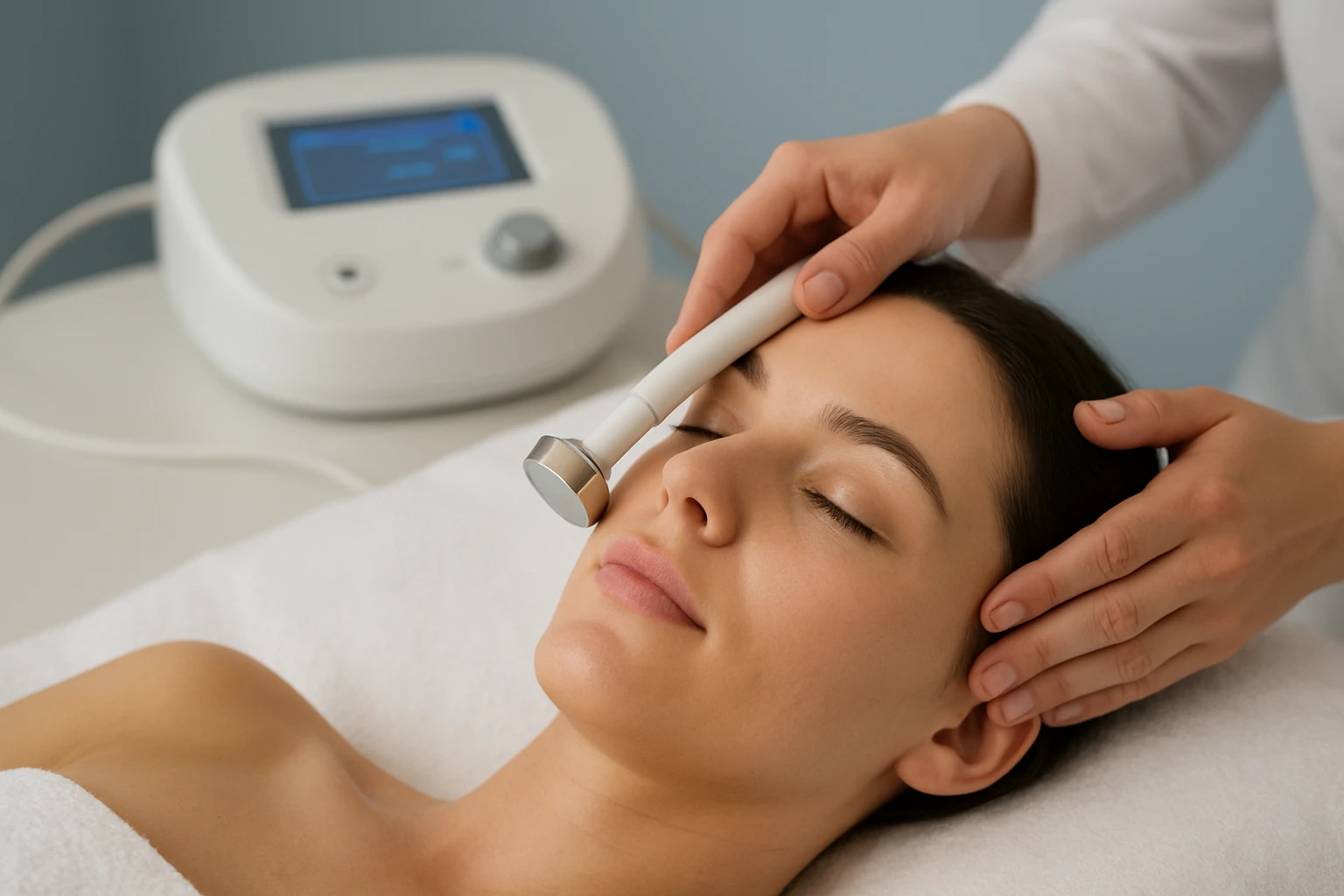
These are the questions you should ask. Frankly, they are more useful than any glowing testimonial.
Is it safe?
Many sound- and vibration-based wellness sessions are designed to feel gentle, but “gentle” is not the same as “right for everyone.” Ask what kind of input is being used — audio, mechanical vibration, frequency delivery, or a mix. Ask what normal sensations feel like. Ask what would count as a reason to stop.
If you have a medical condition, an implanted device, or you are already under active care for pain, sleep, or heart-related concerns, run the plan past a qualified clinician first. That is not fear talking. That is basic common sense.
A credible provider should explain normal sensations, red flags, and how results will be measured.
How long does a session take and what does it feel like?
Session length varies, but Vogue described a 40-minute experience involving headphones, pulsing sound, and a vibrating bed. That sounds typical of the category: you settle in, the sensory input becomes repetitive, and your attention narrows. Some people feel heavy and sleepy. Some feel warm. Some feel nothing dramatic at all until they stand up and realize their jaw is no longer clenched.
What should it feel like? Usually calm, interesting, or boring in a good way. What should it not feel like? Painful, panicky, or disorienting. If a provider acts shocked that you have questions about sensation, that is not a great sign.
How do you know if it is working?
Acupuncture Toronto puts the question plainly: “Does it Work?” That uncertainty is normal. You do not answer it by waiting for fireworks. You answer it by tracking a few boring markers before and after.
- Pain level, using a simple 0-10 score
- Sleep quality, including how long it took to fall asleep
- Stress level at the same time each day
- Energy level in the morning and late afternoon
Write those down for a week before you start if you can. Then compare. If you are guessing from memory, you will almost always over-credit the story and under-credit the data.
How should you choose a frequency therapy provider or wearable-guided routine?
Choose the option that is the least magical in its language and the most specific in its follow-up. I trust clear explanations. I trust modest goals. I trust boring data.
Questions to ask before booking
Vogue’s reporting shows how easily this category can be packaged in a spa-like setting. A sleek room in Frogtown can feel reassuring. A year-old wellness center can look established after one smart branding pass. So ask questions that cut through the mood lighting.
- What type of input are you using: sound, vibration, frequency delivery, or a combination?
- What should I expect to feel during and after the session?
- Which one outcome should I track first?
- How many sessions would make sense before deciding whether to continue?
- What would tell you this is not helping me?
If you explore a biosignal-guided wearable or session routine, ask the same things. What biosignal is being read? What does the device actually adjust? And what change should show up first in your day-to-day life?
Which metrics to track with wearables
This is where a smartwatch, smart ring, or sleep tracker can be handy. Wearable data is not perfect, but it gives you something better than a fuzzy memory. Look for trends over time, not one amazing Tuesday.
| Metric | Why It Helps | Good Comparison Window |
|---|---|---|
| Pain score | Captures symptom changes that matter most to daily life | Daily for 2 weeks |
| Sleep duration | Shows whether bedtime routines are changing actual sleep time | Nightly for 2 weeks |
| Resting heart rate | Can reflect changes in overall stress and recovery | Weekly trend |
| Heart-rate variability | Useful as a recovery trend, though noisy night to night | 2-4 weeks |
| Stress and energy notes | Adds human context numbers alone can miss | Daily check-in |
If the routine is supposed to help sleep, but the only thing improving is the ambiance of the session, the data usually shows that pretty quickly.
When to walk away from the pitch
Walk away when the claims get enormous and the measurements get slippery. Walk away if someone says one device can fix pain, trauma, metabolism, immunity, and sleep all at once. Walk away if they discourage you from asking how progress will be tracked. Walk away if every answer circles back to buying a bigger package.
Choose the option that talks about goals, follow-up, and tracking—not miracles.
A good provider does not need mystery to sound credible. They can tell you what the session is, what it is not, what they hope changes, and how you will both know if it did.
Frequency therapy can be a calming tool — but only when you treat it like a measurable wellness experiment, not a miracle.
If you came here asking what is frequency therapy for wellness, the grounded answer is simple: it is a broad category of sound-, vibration-, and frequency-based practices that may help you feel better, while many bigger claims still outrun the evidence.
Start small, track one outcome, and keep your standards high. What would you want to measure first — pain, sleep, or stress?
Find Steadier Relief With Anywhere Healing
Anywhere Healing uses biosensor-guided wearables and app-based personalization to support pain relief, deeper sleep, and balance without drugs.
Start Feeling Better


