

What Is the Best Wearable for Natural Pain Management? A Science-Backed Checklist to Choose Frequency & Circulation Devices
At 6:40 a.m., a runner stands by the front door with a gym bag, a half-full water bottle, and a right knee that is already complaining. She presses a small wearable onto the sore spot, tugs her sock straight, and heads out anyway. Not because she expects magic. Because she needs enough relief to get through the dog walk, the commute, and a long afternoon without that sharp little stab every time she takes the stairs.
If you have been typing what is the best wearable for natural pain management into Google, that is probably the real question underneath it. You are not shopping for sci-fi. You are trying to make daily life easier — a lower back that flares after Zoom calls, a shoulder that tightens after pickleball, a knee that mutters through every airport terminal from Atlanta to Denver.
I have seen people buy the sleekest device on the page and forget about it by the next Friday. I have also seen a plain, unfussy wearable become a daily habit because it fit under jeans, stayed put during a walk, and did not ask for a 20-step setup ritual. That is the frame I trust: match the tool to the pain pattern, the mechanism, and your actual routine.
What is the best wearable for natural pain management?
The best option is usually not the flashiest one. It is the wearable that matches your pain pattern, feels comfortable enough to use consistently, and uses a drug-free mechanism with evidence you can actually verify.
Watch This Helpful Video
To help you better understand what is the best wearable for natural pain management, we've included this informative video from The Physio Channel. It provides valuable insights and visual demonstrations that complement the written content.
What counts as a natural wearable?
In plain English, a natural wearable usually means drug-free and non-invasive. It does not rely on pills, injections, or surgery. Instead, it sits on the body and delivers some form of physical support — often frequency-based or circulation-related support.
That category is broad. Some devices are designed to be ultra-wearable and drug free, with intensity and treatment programs that can be adjusted to the person. Those are useful clues. They tell you the device is meant to fit into life, not stop life.
But let’s be honest — “natural” can get stretched by marketers. Natural does not automatically mean proven. It also does not mean gentle enough for everybody, everywhere, all the time. You still want a clear mechanism, believable claims, and instructions that do not sound like they were written in a fog.
Which pain patterns are these devices for?
Most of the wearables in this category are aimed at musculoskeletal pain. Think knees, backs, shoulders, hips, forearms, and joints that get cranky after work, exercise, or too much sitting. These devices are often marketed for muscle soreness, chronic pain, and discomfort linked to everyday strain, which lines up with how most people use them in real life.
Some devices are specifically described for mild to intense musculoskeletal pain, and their ability to move from one problem area to another matters. A device that works on a knee but not a shoulder is less flexible than one that can move with you from problem spot to problem spot.
That said, not every ache belongs in the same bucket. A sore patellar tendon after a 10K in Central Park is different from unexplained calf swelling, chest pain, or new numbness. For those, stop browsing and get medical guidance first.
What does "best" really mean?
“Best” does not mean most expensive. It means best fit for your specific problem. When I help people sort through these devices, I look for five things first:
- A mechanism that matches the symptom you actually have
- Comfort on the body part you need most
- Portability you can live with on workdays, travel days, and recovery days
- Evidence or clearance that is better than vague praise
- Enough simplicity that you will keep using it next month
The best device is the one you will actually wear consistently.
That sounds almost too simple, but it is the rule that survives real life. A wearable can have brilliant engineering and still fail if it pinches, slips, irritates your skin, or makes you feel like you need a user manual every time your back tightens up.
Why does it matter to choose the right one?
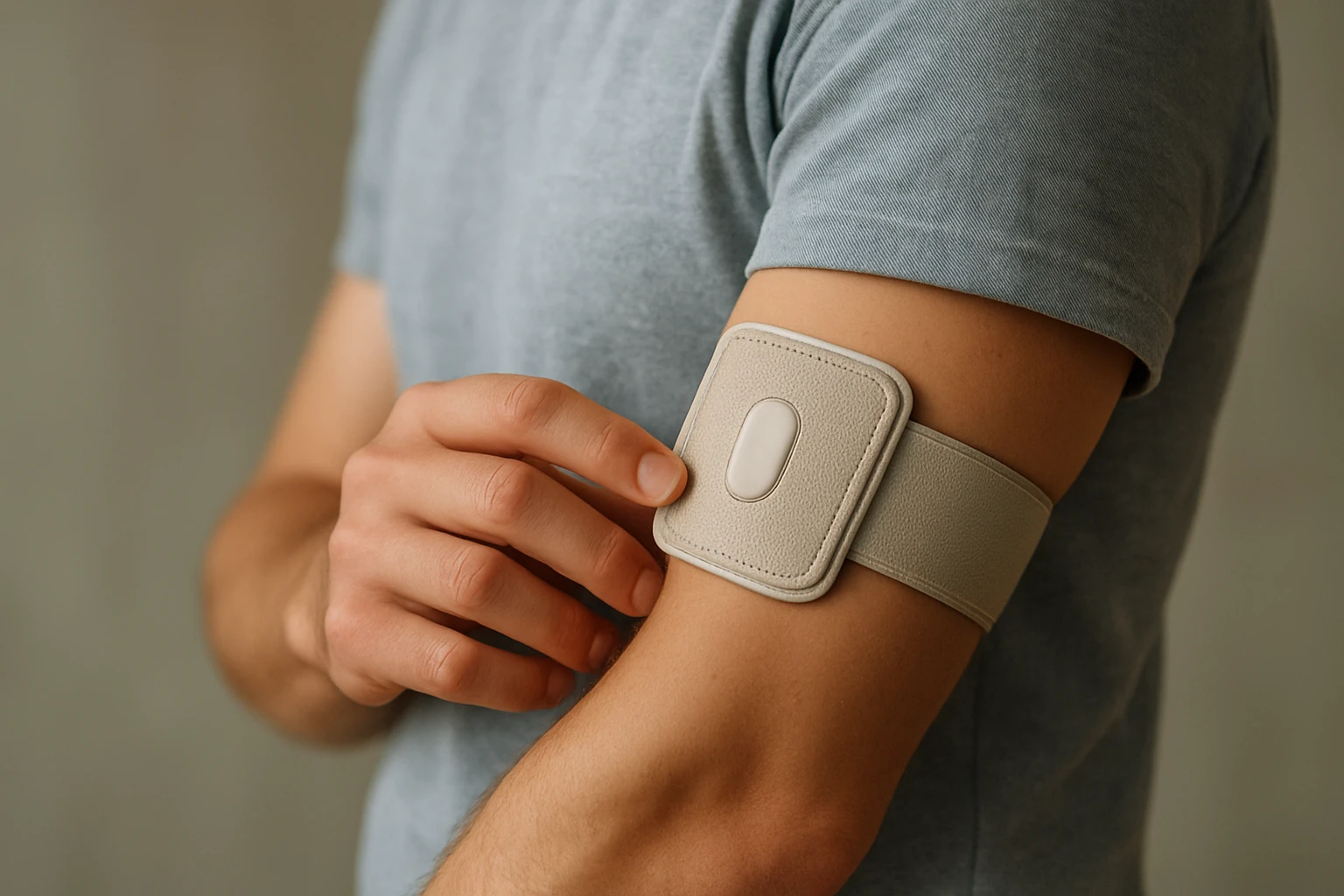
Because the right wearable can help you keep moving and functioning. The wrong one becomes another dead charger in the junk drawer.
Pain relief that supports activity
This is where the better evidence gets interesting. Some devices are described as more likely to reduce pain when paired with exercise therapy than exercise therapy alone, without drugs or surgery. That result belongs to a specific device inside a specific care model, so you should not copy-paste it onto every wearable you see. Still, the lesson is solid: relief that supports movement is far more useful than relief that only works if you stop doing everything.
I have watched this play out with people rehabbing sore backs and irritated knees. If a wearable lets you do your mobility work, finish your walk, or get through a physical therapy session with less guarding, that matters. Pain relief is not just about feeling better in the moment. It is about protecting your ability to do the things that keep you improving.
Why side effects matter
One reason drug-free wearables appeal to so many people is simple — they may avoid some of the tradeoffs that come with medication. Some approaches are described as not causing drowsiness or interacting with other medication. If you are already managing prescriptions, driving kids to practice, or trying to stay sharp at work, that is not a small benefit.
Still, drug-free does not mean friction-free. You can run into skin irritation, awkward placement, poor adhesion, or a sensation level that just annoys you. I have seen people abandon a decent device because it tugged at arm hair every morning. Not glamorous, but very real.
Consistency beats novelty
People love a new gadget for about three days. Then Tuesday happens. That is when the winner reveals itself.
Ask the boring questions:
- Can you put it on in under two minutes?
- Can you wear it while stretching in the living room or walking the dog?
- Does it stay put under a sweatshirt, waistband, or knee sleeve?
- Can you tolerate the sensation long enough to make it a habit?
If it does not fit your routine, it will not help your pain.
That is why portability and comfort matter so much. Novelty gets you one weekend. Habit gets you a real test.
How do frequency-based wearables work?
Most frequency-based wearables aim to change how pain is perceived or experienced by sending a patterned physical signal to or around the painful area. Different technologies do this differently, but that is the common idea.
What patented waveforms or pulsed shortwave therapy do
Some devices describe their approach with patented frequency-based signal delivery, while others use pulsed shortwave-style therapy loops for back, knee, hip, and joint discomfort. Those are not identical approaches, but both belong to the bigger family of signal-based wearables.
Plain English version? These devices are not adding a drug. They are delivering a controlled physical signal. Depending on the design, that may be electrical or frequency-based. The goal is usually to calm a flare, reduce discomfort, or make the area feel easier to move.
Look for the mechanism before the marketing slogan.
That one step saves a lot of disappointment. If the product page spends 500 words on “wellness” and barely explains what the wearable is physically doing, I get skeptical fast.
Why some devices promise relief within minutes
Some devices say they can alleviate ongoing pain or sudden flares within minutes. That kind of fast-relief claim makes sense for a device designed to influence pain experience directly rather than through a slower recovery pathway. If you are mid-flare at your desk in Chicago, or your knee starts talking back halfway through a grocery run, speed matters.
But treat “within minutes” as a design goal, not a universal promise. Some people feel a shift right away. Others need a few sessions before they trust what they are feeling. And some pain problems are simply more stubborn because the root issue is load, tissue irritation, sleep debt, or a rehab program you have not finished yet.
Where and when you can wear them
One of the more useful details in some device descriptions is not flashy at all: it is described as usable at home, at work, or on the go. That matters. Pain does not wait for a perfect treatment window. It shows up while you are typing, driving, cooking, walking through Target, or sitting through a 90-minute flight.
The most practical frequency wearables usually share a few traits:
- Small enough to wear under normal clothes
- Stable enough to stay in place while you move
- Simple enough to use without a ceremony
- Portable enough to earn a spot in your bag, not a shelf
That “on the go” piece is underrated. A device that only works when you are flat on the couch may still help. A device you can use during the rest of your day often helps more.
How do you compare frequency devices and circulation devices?
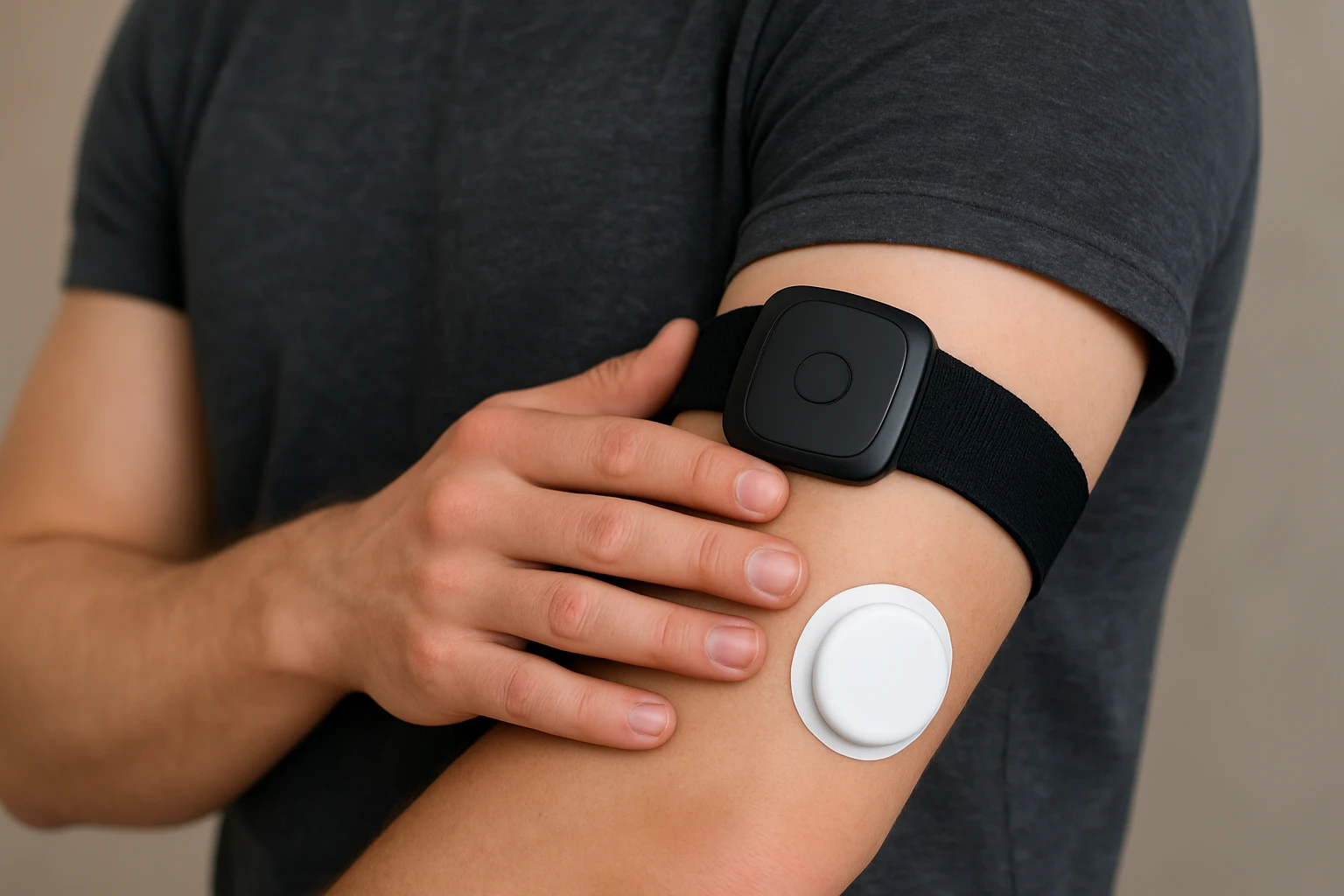
This is where the shopping page usually gets muddy. Frequency devices and circulation-focused devices may both sit in a “natural pain relief” category, but they are not built for the same primary job.
Which mechanism matches your pain?
Start here. Frequency devices are usually chosen for more direct pain-modulation goals — especially musculoskeletal pain or flare-based discomfort. Circulation-focused wearables are typically chosen for comfort, stiffness, swelling support, or localized circulation support rather than direct frequency-based pain modulation.
| Comparison Point | Frequency Device | Circulation Device | Why It Matters |
|---|---|---|---|
| Main purpose | Frequency-based support aimed at changing pain experience | Support for comfort, stiffness, swelling, or localized circulation | Same category, different job |
| Best fit | Sudden flares, ongoing musculoskeletal pain, activity-related soreness | Heavy, stiff, tight, or puffy-feeling areas that benefit from gentle support | Match the tool to the symptom |
| What to check | Signal type, placement, intensity options, evidence | Fit, comfort, pressure, wear time, ease of use | Different buying criteria |
| Daily-life test | Can you use it during work, walking, or rehab? | Can you wear it long enough without irritation or bulk? | Habit still decides the winner |
If your main complaint is “my knee spikes when I climb stairs,” a frequency device may be the better first look. If your complaint is “my ankles feel stiff and puffy after six hours at a desk,” a circulation-focused option may make more sense.
What matters most: portability, fit, or program control?
All three matter. If you force me to rank them, I usually put fit first, because poor fit kills adherence faster than almost anything else. After that, I want enough control to match your sensitivity and enough portability to keep the device in play during normal life.
Some devices let users choose the intensity and treatment programme that works for them, and describe themselves as ultra-portable and user friendly. Those are not just nice-to-have features. They are exactly the kind of things that separate a wearable you test once from one you reach for on a bad day.
Here is the checklist I use:
- Does it fit the body part you need most?
- Can you adjust intensity or programs if your pain varies?
- Can you wear it while moving, sitting, or traveling?
- Is setup simple enough for a stressful day?
- Will you realistically pack it for work, the gym, or a weekend trip?
What should you watch for in circulation-focused wearables?
Watch for overly broad promises. If a circulation-focused wearable mainly helps with comfort, stiffness, or swelling support, that is fine — just be clear about the lane it is in. Do not buy it expecting the same kind of direct, fast flare control that a frequency-based device may be designed to provide.
I also check for plain practical stuff: bulk under clothes, whether it traps heat, whether the pressure feels good or annoying by minute 25, and whether the benefit shows up in the context you care about. After a long desk day? On a flight from LAX to Newark? During recovery after a walk?
Choose the tool for the symptom, not the label on the box.
That one rule clears out a lot of confusion. “Pain relief,” “recovery,” and “circulation” can overlap in the ads. On your body, they feel very different.
What common questions should you ask before buying one?
Before you spend money, ask blunt questions. Product pages often blur together. Good buying decisions do not.
Is it FDA-cleared or otherwise clinically credible?
FDA clearance is not everything, but it is a meaningful filter. If a device has that status, it tells you the product has crossed a higher bar than vague wellness language alone. If a device is not FDA-cleared, ask what it does have: named testing, clear indications, a specific mechanism, or published evidence you can inspect.
This is also where I separate evidence from glitter. An Amazon excerpt may say one wearable is endorsed by doctors and Olympic athletes. Maybe it is. Maybe those endorsements are legitimate. But that is still a marketing claim until you verify it.
A strong claim is not the same as strong evidence.
You will notice that brands often present proof in very different ways. One page leads with clearance and comparative outcomes. Another leads with user recommendations. Another leans on endorsements. Those are not equal, and you should not treat them as equal.
Can I use it while moving or traveling?
If you need pain relief, you probably need it during life, not outside of life. That is why small, wireless, on-the-go wearability matters so much. Some devices are explicitly described that way, and that is a buying detail worth stealing as a standard for the whole category.
Ask these questions before checkout:
- Can I wear this during a commute, work session, or walk?
- Will it stay put under regular clothes?
- How easy is it to charge, pack, and reapply?
- Does it need perfect conditions, or can it handle an ordinary Tuesday?
If the answer is “only when I am home, seated, and patient,” that may still work for some people. It just will not work for everyone.
Does it work with exercise therapy or other care?
This question gets overlooked, and it should not. Some devices are described as working well alongside exercise therapy. Again, that does not mean every wearable will do the same. It does mean that pairing relief with movement can be a smart standard to use when judging the category.
If you are already doing physical therapy, strength work, daily walks, or rehab for an old shoulder issue from your tennis league, buy a device that can fit alongside that plan. A wearable that helps you finish your glute exercises, tolerate your walking program, or sit through a mobility session is much more valuable than one that only shines in isolation.
| Claim You See | Question To Ask | What A Good Answer Looks Like |
|---|---|---|
| FDA-cleared | Cleared for what use? | A specific indication, not vague language |
| Relief within minutes | For what kind of pain and in what setting? | Clear explanation of use for flares or musculoskeletal pain |
| Personalized program | Can I adjust intensity or treatment options? | Simple controls you can understand without guesswork |
| Portable | Can I really wear it at work or on the move? | Small, stable, easy to carry, easy to reapply |
| Doctor or athlete endorsed | What actual evidence backs this up? | More than testimonials or a logo wall |
| Works with rehab | How does it pair with exercise therapy or care? | Specific guidance, timing, or supporting data |
That table may not look glamorous. Good. Glamour is rarely what helps you make a solid purchase.
Choose for fit, evidence, and symptom match — and the wearable stops being a gadget and starts becoming a tool.
If you are still asking what is the best wearable for natural pain management, start simple: drug-free, portable, and matched to your actual pain pattern. Then pair it with movement, rehab, or the care you already trust.
What would make you stick with one for the next 30 days — easier wear, faster relief, or better control?
Explore Smarter Relief With Anywhere Healing
Advanced biosensors that read the body’s signals guide precise frequencies for drug-free relief around pain, stress, sleep trouble, and imbalance.
See Devices


