

7 Signs Your Wearable Device Is Actually Healing Your Sleep: A Biosensor Checklist
Ever glance at your data and wonder if your wearable device is actually helping you sleep better, or just tracking the chaos of your nights? You are not alone. Many of us buy a smart ring or band with hope in our hearts and wake up asking, is this working or just counting steps in the dark? The truth is, modern biosensors can do more than observe. With the right technology and a little know-how, they can help your body find its natural rhythm again and deliver tangible, dreamy wins you can literally feel in the morning.
Here is the good news. Anywhere Healing creates wearable frequency therapy devices that read your biosignals and deliver precise, non-invasive support to soothe stress, deepen rest, and restore balance. When your natural cellular frequencies are disrupted by stress, lifestyle, travel, or pain, your nights suffer. These wearables listen and respond, nudging your system back toward recovery so your sleep can do what it was designed to do, which is repair, detoxify, and renew. In the guide below, you will learn how to read the seven clearest signs your device is not just tracking sleep but helping heal it.
Prerequisites and Tools
Before you start checking off wins, set yourself up for a clean read. Think of this like calibrating a musical instrument so the tune is true. You will want a short baseline, a simple routine, and a few practical tools. You do not need a lab. You just need consistency, context, and a wearable that talks clearly to your body. Give yourself at least two weeks of steady nighttime wear so your trends are not swayed by one late-night pizza or a Sunday sleep-in. Then you can confidently decide whether your data is signaling real change.
- Your wearable and app, fully updated and charged nightly
- Seven to fourteen nights of baseline data without big routine changes
- A quick sleep log for context such as caffeine, alcohol, workouts, travel, stressors
- Optional validation tools such as a chest strap for heart rate (HR) checks, a white-noise machine, blackout curtains
- Anywhere Healing wearable support tailored to your goals, such as Frequana (positionable resonance wearable), Alpha Wearable (band-style), or Charisma Ring (titanium ring)
| Tool | Purpose | Pro Tip |
|---|---|---|
| Wearable + App | Collects biometrics while you sleep | Wear on the same finger or device location nightly for consistent readings. |
| Sleep Log | Adds context to spikes and dips | Jot down bedtime, wake time, caffeine, alcohol, and late meals. |
| Chest Strap | Spot-checks overnight heart rate (HR) accuracy | Use during a calm evening to compare readings. |
| Anywhere Healing Wearable | Delivers precise frequencies that support balance and sleep | Match the device to your main goal such as Alpha Wearable for sleep, Frequana for recovery/circulation, or Charisma Ring for emotional resilience. |
Step 1: Your Resting Heart Rate Is Drifting Lower Overnight
One of the simplest, strongest signs that recovery is improving is a gentle decline in your average resting heart rate (RHR) during sleep. When your nervous system tilts toward parasympathetic dominance, the body relaxes and your heart needs fewer beats to do the same work. That overnight easing often shows up as a lower RHR by a few beats per minute (bpm) over several weeks. Watch your seven-night average instead of fixating on a single outlier night. If your system is healing, the trend line will quietly start edging down as your sleep deepens and your stress load lightens.
Watch This Helpful Video
To help you better understand wellness ring device, we've included this informative video from Tom’s Guide. It provides valuable insights and visual demonstrations that complement the written content.
To make the signal even clearer, compare similar days. For instance, stack Tuesday nights against other Tuesdays, and avoid comparing a heavy training day to a desk day. If you are using Anywhere Healing, this is where precise frequency delivery to reduce pain and promote balance can pay off. Less background discomfort tends to mean fewer micro-arousals and a calmer heart. My own “aha” moment was noticing my RHR curve bottom out earlier in the night after two weeks of evening sessions, a subtle but steady shift that matched how restored I felt at sunrise.
Step 2: Your Wearable Shows HRV Climbing
If RHR tells you the brakes are working, heart rate variability (HRV) tells you how smoothly the entire engine is adapting. Higher HRV, measured in milliseconds (ms), generally reflects a more resilient nervous system and better recovery capacity. Instead of chasing a magic number, focus on your personal baseline. A wearable that is helping you heal sleep should show an upward trend in your seven to fourteen night HRV average, plus fewer dramatic dips after ordinary stress. Think of it as becoming less “jumpy” and more adaptable to daily life without wrecking your nights.
Practical moves make this signal louder. Keep alcohol away from bedtime, dim the lights, and give yourself a quiet wind-down. Anywhere Healing’s devices use advanced biosensors to read your body’s signals and deliver calming frequencies that support cellular communication and immune resilience. People often notice a steadier HRV after evening sessions designed to release tension and reduce pain sensations. If last month a tough workday tanked your HRV, but this month you bounce back overnight, that resilience is a green flag. Your system is not only tracking stress. It is absorbing it, recalibrating, and sleeping through it.
Step 3: Deep Sleep Increases Without Forcing It
Slow-wave sleep (SWS) is the heavy-lifting stage when your brain and body do deep repairs, memory consolidation, and detoxifying cleanup. A healthy trend is either a small increase in the duration of SWS or a more consistent percentage of your total sleep time across typical nights. You do not need to engineer this with hacks. When your nervous system relaxes and your pain signaling quiets, SWS tends to bloom organically. You might also see the timing of your deepest sleep shift slightly earlier in the night, a pattern often seen when evening stress gets dialed down.
Because consumer rings estimate stages using movement and heart signals instead of an electroencephalogram (EEG) in-lab test, think trends, not absolutes. Combine your chart with your story. Do you wake up with less stiffness, clearer focus, and that grounded “I slept hard” feeling? Anywhere Healing wearables aim to enhance circulation and cellular balance, which can support deeper rest. One client’s log read, “Two weeks with Alpha Wearable and my first 90 minutes feel like an anchor,” which matched the app’s increased deep-sleep block. The headline is not perfection. It is consistency. More reliable SWS across ordinary nights is a strong sign your system is healing.
Step 4: You Fall Asleep Faster and Wind Down More Easily
Sleep onset latency is the time it takes to fall asleep after lights out. When your wearable’s data shows this window gently shrinking, your evening routine and nervous system are syncing. Rather than lying there replaying the day, you are gliding into sleep with fewer restlessness spikes. Track this along with a pre-sleep calm ritual. For example, ten minutes of diaphragmatic breaths and dimmed lights can make a noticeable dent. If your wind-down used to feel like herding cats, then gradually becomes a smooth slide, it is a second unmistakable sign your night system is improving.
This is where Anywhere Healing’s Alpha Wearable can be especially helpful for evening calm. Its non-invasive, drug-free frequency support is designed to settle overactive stress responses so your brain can switch gears. If you pair that with the Charisma Ring for emotional ease after tough days, latency often trends down even when life throws a curveball. In your app, look for less time awake between getting into bed and the first stable sleep stage. It is not about chasing a stopwatch. It is about feeling your body say, “We are safe, and we can let go now.”
Step 5: Fewer Awakenings and Lower WASO
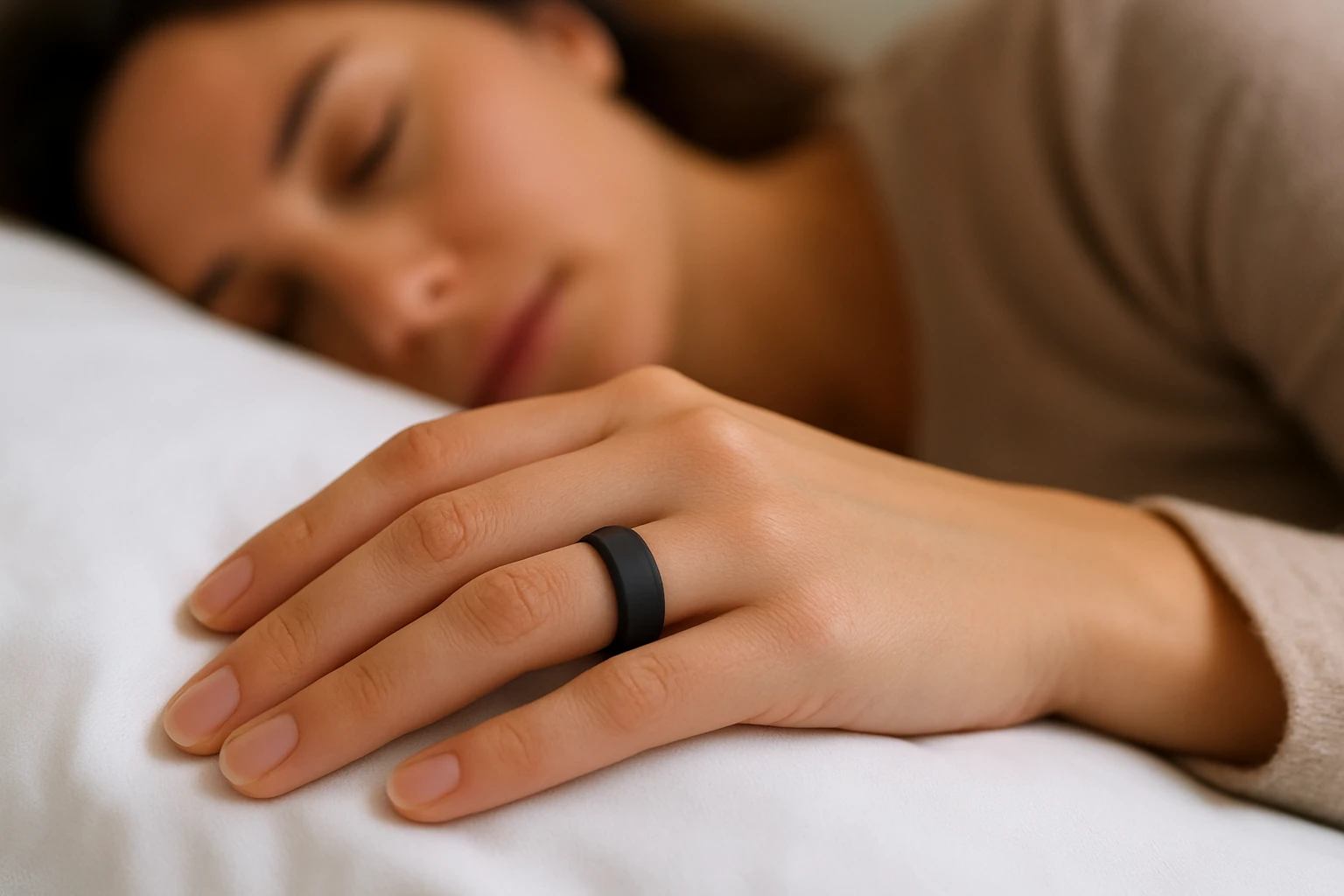
Waking briefly at night is normal, but frequent or long awakenings fragment sleep. Your wearable captures this as the number of arousals and wake after sleep onset (WASO). When your nighttime environment, pain levels, and stress chemistry settle, your graph smooths out. Instead of three or four long wake periods, you might see one brief blip and a steadier line. This usually pairs with more predictable bedtime and wake-time anchors and fewer middle-of-the-night bathroom trips triggered by late fluids or cortisol surges. The lived experience is powerful. You stop checking the clock at 2 a.m.
To reinforce the trend, tidy your sleep environment. Aim for quiet, cool, and dark. If pain has been a key disrupter, Anywhere Healing’s Frequana can be a targeted ally. Many users apply Frequana in the evening to ease discomfort that otherwise sparks micro-awakenings. When pain signals calm, the brain does not need to keep scanning for threats, and WASO typically drifts down. Use your sleep log to note outliers like late-night emails or a restaurant meal. Then zoom out and check the seven- to fourteen-night picture. Fewer awakenings and lower WASO over weeks is a clear sign your system is mending.
Step 6: Morning Readiness and Mood Feel Aligned With the Data
Numbers matter, but your body’s story matters more. A true healing trend shows up as concordance between objective scores and subjective experience. If your readiness score and your morning mood consistently agree that you slept well, trust it. You feel less wired-tired, your motivation rebounds, and exercise feels kinder on your system. If you like structure, try a simple one-to-ten alertness and mood check each morning. Over time, your journal should line up with the wearable’s readings. When the data and the day agree, your wearable is not guessing. It is capturing a system that is resetting.
Anywhere Healing’s approach is to support the body’s natural recovery processes from two directions. The biosensors read what your body is asking for, and the device responds with precise frequencies to reduce pain, ease stress, and restore balance. That two-way conversation tends to produce steadier mornings. People often describe it like a fog lifting earlier. If your mood and focus hold up even on busy days, that is a deeper sign of resilience. You are not just sleeping longer. You are sleeping more effectively. The difference is how you show up at 10 a.m. and how you still feel at 4 p.m.
Step 7: Your Rhythm Stabilizes and Travel or Stress Rocks You Less
Healthy sleep is rhythmic. Your lowest overnight heart rate arrives around the same time, your preferred bedtime feels obvious, and weekends do not shatter your schedule. A wearable can show circadian stability through consistent sleep and wake times, steadier sleep efficiency, and fewer swings after travel or tough days. In plain terms, you recover faster from the usual bumps. If you have ever had jet-lag nights or post-deadline insomnia, you know the opposite feeling. When your data shows less chaos after those events, that is a seventh sign your system is finding its groove again.
Support that rhythm with anchors. Choose a wind-down cue at the same time each evening, keep morning light exposure steady, and match your Anywhere Healing wearable to your pattern. For example, Alpha Wearable for evening calm on high-stress weeks, Frequana on days when pain threatens to steal sleep, and the Charisma Ring when emotional tension is the main driver. These wearables promote healthy circulation and detoxification while enhancing cellular communication. Over time, your graph looks less like a roller coaster and more like gentle waves. When life gets loud and your sleep stays composed, you are not lucky. You are healing.
How to Verify Improvements With a Simple Biosensor Checklist
Trends beat single numbers, and context beats guesswork. Use the checklist below to confirm what you are seeing. Then, connect each metric to an everyday habit or an Anywhere Healing strategy so you can keep the momentum. If you like visuals, sketch a weekly dashboard with green arrows for up-trends and blue arrows for down-trends. The goal is not to gamify sleep. It is to make your data effortlessly meaningful so better rest keeps happening without constant tinkering.
| Metric | What a Positive Trend Looks Like | How to Check | Anywhere Healing Tip |
|---|---|---|---|
| Resting Heart Rate (RHR) | Gradual decrease in the seven-night average | Compare same weekdays and similar activity levels | Use Frequana in the evening if pain elevates RHR. |
| Heart Rate Variability (HRV) | Upward trend with fewer big dips | Track a fourteen-night rolling average in ms (milliseconds) | Alpha Wearable sessions to support relaxation before bed. |
| Deep Sleep | More stable duration or percentage of total sleep | Look for earlier, consolidated blocks in your graph | Alpha Wearable to support relaxation and deep sleep. |
| Sleep Onset Latency | Shorter, steadier time to fall asleep | Note time from lights out to first sleep stage | Pair Alpha Wearable with a ten-minute breath practice. |
| Awakenings and WASO (wake after sleep onset) | Fewer, briefer wake periods | Track weekly averages, not single-night spikes | Reduce late fluids and use Frequana if discomfort wakes you. |
| Morning Readiness and Mood | Scores align with how you feel | Journal a one-to-ten check-in each morning | Adjust device timing to align with your most stressful hours. |
| Circadian Stability | Consistent sleep window and efficiency | Check bedtime and wake-time variance weekly | Use Charisma Ring on travel days to ease emotional strain when that is the main disruptor. |
Which Anywhere Healing Wearable Matches Your Sleep Goal?
All three options share a non-invasive, drug-free approach and advanced biosensors that read your body’s signals in real time. The difference is where they shine. If pain keeps disrupting your nights, address the pain. If racing thoughts block rest, dial them down. If emotional aftershocks keep you tense, soften them. Matching the device to your primary obstacle is the quickest way to turn promising data into durable change. This simple map can help you decide where to start, and yes, you can combine devices when life gets layered.
| Device | Targeted Benefit | Best Use Timing | Sleep Metrics Most Likely to Improve |
|---|---|---|---|
| Frequana | Precise frequency delivery to reduce pain and ease tension | Evening wind-down and on flare-up days | RHR downtrend, fewer awakenings, improved sleep efficiency |
| Alpha Wearable | Promotes calm and stress relief to restore balance | Late afternoon and pre-bed | HRV uptrend, shorter sleep onset latency, steadier deep sleep |
| Charisma Ring | Emotional ease and resilience (mood/confidence/energy) | After emotionally intense days and during travel | Improved mood alignment, reduced emotional-driven WASO, better circadian stability when emotional strain is the main driver |
Case Snapshot: Turning Noisy Nights Into Nourishing Sleep
When Maya, a 38-year-old teacher, started, her wearable showed a jumpy HRV and frequent awakenings after stressful parent meetings. She paired Alpha Wearable thirty minutes before bed and kept a three-line sleep log. Within two weeks, her HRV seven-night average stabilized and her sleep onset latency dropped from “forever” to “I do not know, I fell asleep.” On nights when neck tension flared, she added Frequana during her wind-down. Her wearable’s deep-sleep block moved earlier, and the 2 a.m. wake window shrank to a brief blip. Most telling, her mood notes started matching her data again.
Data alone did not change Maya’s life. Data with the right signal support did. That is the Anywhere Healing difference. The devices read her body’s signals and responded with precise frequency delivery that helped reduce pain, improve sleep, and restore balance. Over the next month, weekend variability settled, and HRV dips after tough days were less severe. Her words sealed it: “I wake up ready, not racing.” That alignment between numbers and narrative is exactly what you are looking for with your wearable. When your graph and your gut agree, you can trust the trend.
Common Mistakes That Hide Your Progress
It is easy to bury your wins under noise. If your graph looks confusing, it might not be your wearable. It might be the habits and comparisons you are making. Avoid these frequent pitfalls and your progress will look much clearer. A few careful tweaks can rescue a good trend from messy data and frustration. You do not need to be perfect. You just need to reduce the most common sources of confusion so the healing you are building becomes obvious on your charts and in your mornings.
- Chasing single nights instead of trends. Focus on seven- and fourteen-night averages.
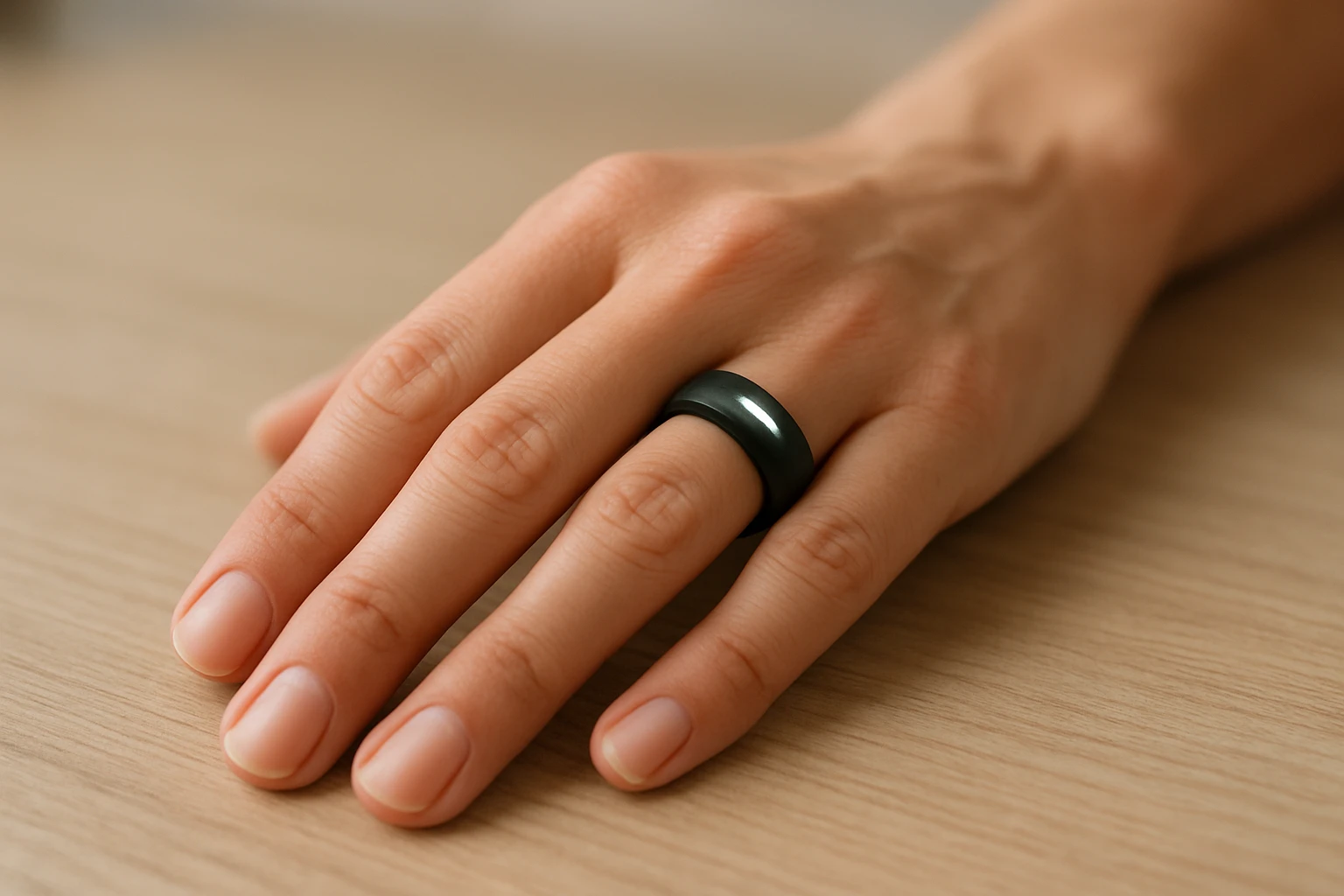
- Wearing the ring on different fingers or too loose. Fit changes data. Keep it consistent.
- Ignoring context. Note late meals, alcohol, intense workouts, or travel in a tiny log.
- Watching stages like a scoreboard. Trust directionality over exact minute counts.
- Expecting change without routine anchors. Bedtime and wake-time windows build stability.
- Skipping recovery on high-stress days. Use Alpha Wearable or Charisma Ring to calm the system.
- Managing pain only in the daytime. Evening Frequana can reduce nocturnal micro-awakenings.
- Comparing your HRV to friends. Your baseline and biology are unique.
- Forgetting the basics. Cool, dark, quiet rooms still matter even with smart tech.
Frequently Asked, Briefly Answered
Can a ring really help heal sleep, or does it just track? When a device only measures, data can feel like judgment. Anywhere Healing’s approach adds precise, non-invasive support that responds to your body’s needs, so your metrics shift from passive observation to active recovery. How fast should I expect changes? Look for steady, week-over-week trends rather than overnight miracles. Are numbers everything? Not at all. Your morning mood, energy, and pain levels complete the picture. If the data and your day align, you are on the right path.
Your Action Plan for the Next 14 Nights
- Pick your priority sign, such as fewer awakenings or deeper sleep.
- Choose the Anywhere Healing wearable that fits that need.
- Set a repeatable 30-minute wind-down block with low light and slow breathing.
- Wear your ring (if using one) or your wearable on the same finger/device location every night and charge it each morning.
- Keep a three-line sleep log for context and review it every Sunday.
- Compare seven-night averages for RHR, HRV, and awakenings.
- Adjust only one habit at a time to isolate cause and effect.
If you like a visual aid, draw two simple timelines on paper. One for your evening routine, one for your overnight graph. Mark where awakenings cluster and where deep sleep anchors. Then place your chosen device session on the timeline fifteen to forty-five minutes before lights out. Over the next two weeks, the graph should start reflecting smoother nights. Small improvements stacked together create a compounding effect. That is how you transform a restless season into a restorative routine and make your wearable device an ally you can count on.
Why Anywhere Healing Leads This Space
When natural cellular frequencies become disrupted, your body’s sleep machinery goes off beat. Anywhere Healing’s advanced biosensors read the body’s signals and deliver precise frequency support to help reduce pain, relieve stress, improve sleep, and restore balance. The approach is non-invasive and drug-free, designed to support healthy circulation, assist detoxification, enhance cellular communication, and bolster immune resilience. In other words, it addresses the real-world reasons nights unravel instead of just tallying the aftermath. That is why the seven signs in this checklist are reliably achievable, and repeatable across ordinary weeks, not just perfect days.
From a user standpoint, this means you do not need to guess. Your device reads what is happening and responds in the moments that matter most. If pain is the bottleneck, Frequana is your evening ally. If stress is the saboteur, Alpha Wearable calms the storm. If emotional tension is the thread that keeps tugging at your nights, the Charisma Ring softens that pull. Put simply, the right signal at the right time helps your body remember how to sleep. Your data then tells the story in a language you can trust.
Common Myths to Let Go Of
Myth one: “If my deep sleep minutes are not perfect, I am failing.” Consumer devices estimate stages, so treat them as trends. Myth two: “More is always better.” Overdoing intense evening workouts or stacking stimulants will confuse your graph. Myth three: “Only a lab can reveal progress.” While polysomnography (PSG) is the gold standard, day-to-day healing shows up clearly in RHR, HRV, awakenings, and your lived experience. Your ring and a steady routine can reveal a surprisingly robust picture of progress when you watch the right signs the right way.
Wrap-Up
These seven signals turn your nightly data into a clear story that your sleep is not just tracked, but truly healing. You will see it in calmer heart rhythms, steadier nights, and mornings that feel like you again. Imagine the next twelve months with fewer restless spirals, a stable rhythm that travels well, and a bedroom that feels like a sanctuary. With consistent routines and the right signal support, your wearable’s graphs will look as good as you feel when your feet hit the floor.
What would change first if your nights became nourishing on purpose, not by accident? If your wearable device could speak, what recovery win would it nudge you to celebrate this week?
Elevate Your Sleep With Anywhere Healing Wearables
Pick Frequana, Alpha Wearable, or Charisma Ring to target your goals; Anywhere Healing biosensors detect and correct disrupted frequencies to spark natural recovery for deeper sleep, less stress, and balance.
Improve Sleep Now


