

Non Invasive Laser Treatment vs Wearable Frequency Therapy: Which Drug-Free Option Heals Pain Faster?
If pain has been stealing your energy, your workouts, or your sleep, you have two compelling, drug-free routes to relief right now: non invasive laser treatment and wearable frequency therapy. Both are gentle, non-surgical ways to calm inflammation, ease soreness, and nudge your body back toward balance without pills or needles. The big question is timing. Which one gets you back to life faster, especially when you have a job to do, a family to care for, or a race on the calendar?
I have been that person stretching on the living room floor, wondering if I should book a laser session or just try a smart wearable. So let’s walk through it together. Below, you will find a clear, friendly breakdown of how each option works, where each shines, and how to pick the best path for your body. I will share real-world examples, quick tips, and a practical decision framework so you can move from guesswork to a plan you feel good about.
#1 Speed to Relief: What Most People Feel First
What it is: Speed to relief is simply how quickly you notice less pain. Non invasive laser treatment shines focused light into tissues to spark cellular changes, often used in short clinic sessions. Wearable frequency therapy from Anywhere Healing requires pairing with the Anywhere Healing mobile app and a user to select and start therapy sessions; during app-controlled sessions the devices use biosensors to read your body’s signals and deliver adaptive, supportive frequencies while you go about your day.
Why it matters: When pain flares, you want fast. Published meta-analyses of PBM (photobiomodulation) for musculoskeletal pain report meaningful reductions within the first few weeks, especially for recent injuries. Meanwhile, consistent wear-time with frequency devices tends to layer benefits day by day. For many people with chronic patterns, steady daily input can add up to durable results.
Quick example: I strained my calf stepping off a curb weirdly. A same-day cold-laser session eased the sharpness within 24 hours. Later, I used a wearable to keep background tightness quiet so I could walk more freely all week. Acute spike, meet laser. Ongoing tension, meet wearable.
| Approach | How it works | Typical session time | Use frequency | Onset of relief | Best for | Watch-outs |
|---|---|---|---|---|---|---|
| Non invasive laser treatment (LLLT (low-level laser therapy) / PBM (photobiomodulation)) | Focused light supports mitochondria and ATP (adenosine triphosphate), easing inflammation and promoting tissue recovery | 5 to 20 minutes per area | 2 to 3 times per week for 3 to 6 weeks | Often 1 to 3 sessions for acute cases; gradual for chronic | Targeted, well-defined painful spots and sports strains | Requires appointments; localized coverage only |
| Wearable frequency therapy (Anywhere Healing) | Biosensors read your body’s signals and guide adaptive frequency delivery during app-controlled therapy sessions to restore balance | App-paired; sessions started and controlled via the mobile app (usable while worn) | Daily; adjustable day and night | Gradual within days; steady gains across weeks | Whole-body stress, sleep, multi-site discomfort | Benefits grow with consistent wear |
#2 How Non Invasive Laser Treatment Works (and Where It Wins)
What it is: Non invasive laser treatment, often called LLLT (low-level laser therapy) or PBM (photobiomodulation), uses red and near-infrared light to signal your cells. The light is absorbed by mitochondria, the tiny power plants in your cells, which can increase ATP (adenosine triphosphate) production and modulate inflammation. Think of it like a focused energy nudge that helps your body complete a healing task it already wanted to do.
Watch This Helpful Video
To help you better understand non invasive laser treatment, we've included this informative video from CBS News. It provides valuable insights and visual demonstrations that complement the written content.
Why it matters: Because the beam is targeted, clinicians can focus precisely on the tissues that complain the loudest. That makes laser a great fit for very specific, localized problems like a stubborn tennis elbow or a recent ankle sprain. Multiple reviews report reductions in pain intensity and improved function versus sham in conditions such as tendinopathies and low back pain, especially when protocols are consistent over a few weeks.
Quick example: Your shoulder flares after a weekend of painting. A therapist applies a short series of PBM (photobiomodulation) sessions to the anterior shoulder and rotator cuff area. By the third session, the sharp reach-to-the-top-shelf pain loosens noticeably, and you can sleep on that side again.
#3 Wearable Frequency Therapy Explained: Gentle, Continuous, Adaptive
What it is: Anywhere Healing’s wearable frequency therapy uses advanced biosensors to read your body’s signals in real time and deliver precise frequency patterns meant to reduce pain, improve sleep, and restore balance. Instead of focusing light at a single point in a clinic, the devices work continuously while you move, rest, or sleep. That steady input helps support cellular communication and calm an over-firing nervous system.
Why it matters: Pain rarely happens in a vacuum. Stress, sleep debt, and daily habits shape your body’s pain volume knob. With a wearable, you are not scheduling relief around appointments. You are wearing support during the moments that matter most, like a long commute, a tough workday, or overnight recovery. This is especially powerful for diffuse pain, stress-related tension, or when multiple areas are nagging at once.
Quick example: After months of desk-bound tightness, you start wearing an Anywhere Healing device during the day and switch to a sleep-focused setting at night. Within a week, your shoulders feel less like concrete, and you are waking up more refreshed because micro-tension finally quieted down.
| Device | Primary focus | Typical wear | Biosensor focus | Standout feature |
|---|---|---|---|---|
| Frequana | Pain modulation and healthy circulation | Daytime sessions or during activity | Reads your body’s signals to time and tune frequency delivery | Precise targeting for active or movement-triggered discomfort |
| Alpha Wearable | Stress relief and deeper sleep | Evenings and overnight | Tracks calming trends to support restful patterns | Soothing support that helps you downshift before bed |
| Charisma Ring | Balance, focus, and daytime vitality | All-day micro-sessions | Notices subtle shifts to keep you centered | Lightweight, discreet, and ready to wear anywhere |
#4 Conditions Each Option Handles Best
What it is: Matching the right tool to the job is half the battle. Lasers concentrate energy in a local zone, while wearables cast a supportive, full-day net across the nervous and circulatory systems. When you align the method with the pain pattern, relief tends to arrive sooner and stick longer.
Why it matters: For highly localized pain, such as a tender tendon or a specific joint, non invasive laser treatment often delivers crisp, targeted relief. For whole-body themes like stress-driven tightness, sleep-related aches, or pain that migrates, wearables may be more efficient because they can run for hours and adjust with you. Importantly, both approaches are complementary rather than competitive.
Quick example: If your right elbow screams during pull-ups but everything else feels fine, start with clinic-based PBM (photobiomodulation). If your back, neck, and jaw take turns flaring when work gets hectic, lean into a wearable from Anywhere Healing for round-the-clock nervous system support.
- Laser sweet spots: Tendinopathy, post-exercise muscle soreness, localized arthritis flare-ups, focused trigger points.
- Wearable wins: Stress-related tension, multi-site discomfort, sleep fragmentation, travel recovery, and day-to-day maintenance.
#5 Safety and Side Effects: Gentle Methods, Sensible Guardrails
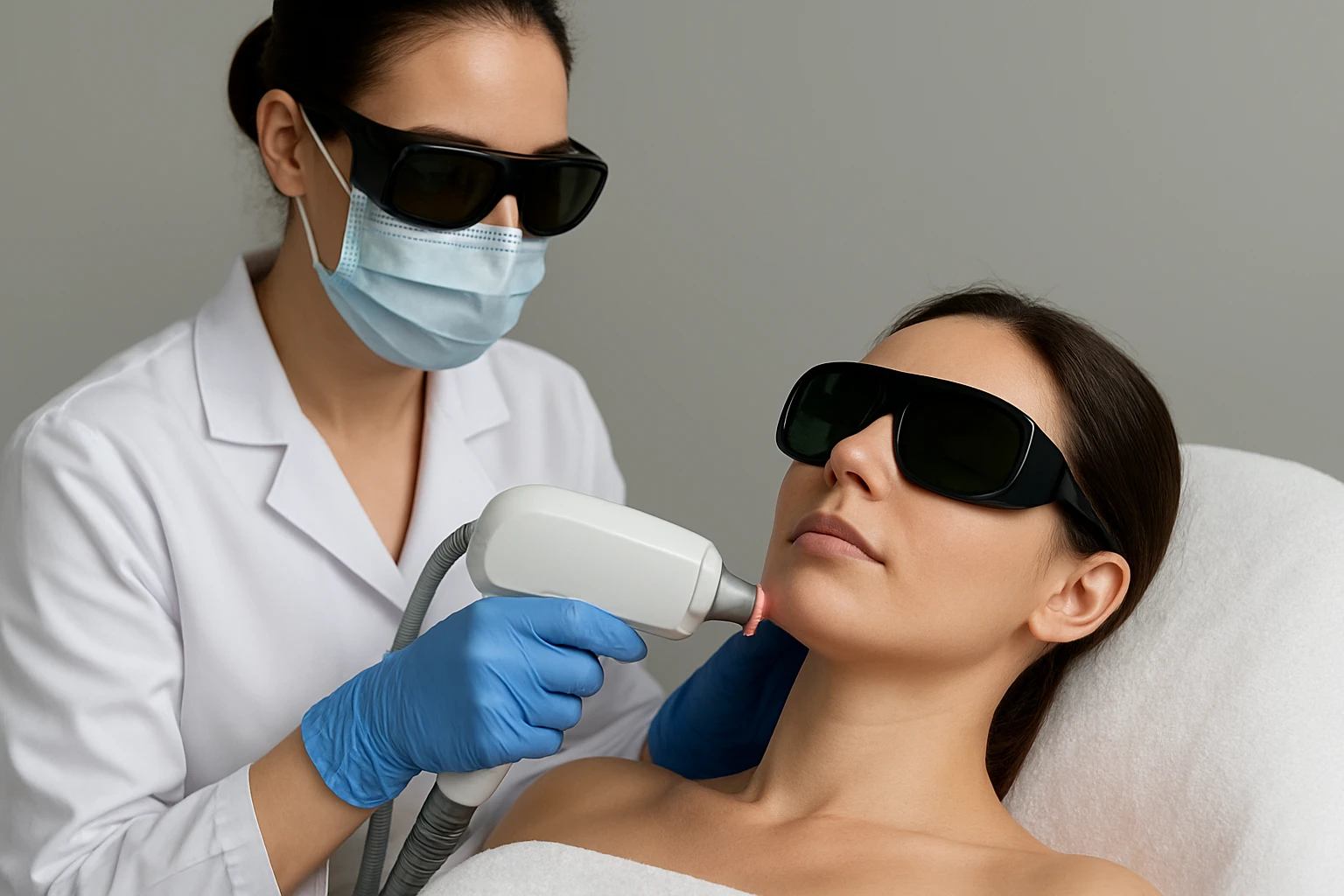
What it is: Both options are non-invasive and drug-free, with strong safety records when used as directed. That said, smart guardrails help you get results without surprises. Side effects are usually mild and transient, like brief warmth or temporary redness post-laser, or minor skin impressions where a wearable sits.
Why it matters: Knowing the boundaries helps you use these tools confidently. People with photosensitivity, active malignancy in the target area, or those on certain light-sensitizing medications should speak with a clinician before laser. For wearables delivering frequencies, check guidance if you are pregnant or have implanted electronics like pacemakers, and follow manufacturer recommendations.
Quick example: You plan to treat a sore knee with PBM (photobiomodulation) and wear an Alpha Wearable overnight for sleep. Your provider confirms your medications are not photosensitizing and you position the wearable so it does not sit on irritated skin. The result is a calm knee and an easier night.
#6 Convenience and Consistency: Relief That Fits Real Life
What it is: Pain relief that requires heroic logistics rarely works for busy humans. Laser sessions are brief but scheduled. Wearables are unscheduled but steady. The more a method matches your routine, the easier it is to keep going long enough to win.
Why it matters: Adherence is a top predictor of pain outcomes in real-world studies. With lasers, consistency means showing up a few times a week for several weeks. With wearables, consistency means simply wearing the device daily. Less friction equals more follow-through, which usually equals better results.
Quick example: Between commute, kids, and training, your calendar is a Tetris game. You set a wearable frequency schedule to run during your morning emails and evening wind-down. On weeks when time opens up, you add a couple of targeted non invasive laser treatment sessions for a stubborn hamstring. You get the best of both worlds without stress.
#7 Cost, Access, and ROI (return on investment)
What it is: Cost is more than a price tag. It is time, travel, and how many times you need the thing to feel better. Laser typically involves a series of clinic visits. Wearables are a one-time or subscription investment that you can use daily at home, the office, or on the road.
Why it matters: Typical laser sessions can range from modest to premium pricing depending on geography and equipment. A common plan is 6 to 12 visits for a focused issue. Wearables from Anywhere Healing provide ongoing support across pain, stress, and sleep without appointments, which can be a strong ROI (return on investment) if you like self-directed care.
Quick example: You compare 8 clinic laser sessions for a shoulder versus an Anywhere Healing device you can wear for that shoulder plus your recurring neck tightness and restless sleep. If you value at-home convenience and multi-symptom support, the wearable may pencil out better.
#8 Personalization and Data: From One-Size to Just-Right
What it is: Not all pain behaves the same. Some days your body needs energy, other days calm. Lasers typically use practitioner-guided protocols by area, power, and duration. Anywhere Healing’s wearables use advanced biosensors to read your body’s signals and deliver precise, adaptive frequencies aimed at restoring balance in real time.
Why it matters: Personalization reduces the trial-and-error that makes people give up. When a device can sense shifts in your state and adjust its output, it may help you stay in a therapeutic sweet spot longer. That is especially helpful for pain that flares with stress or poor sleep, because your program can lean more calming on hard days and more energizing on better days.
Quick example: After a late flight and two meetings, your back tightens and your mind races. Your wearable leans into calming patterns during your commute home and a sleep-focused setting later, so you wake up clearer and your pain dial is turned down.
#9 Whole-Body Benefits: Sleep, Stress, Circulation, Detox
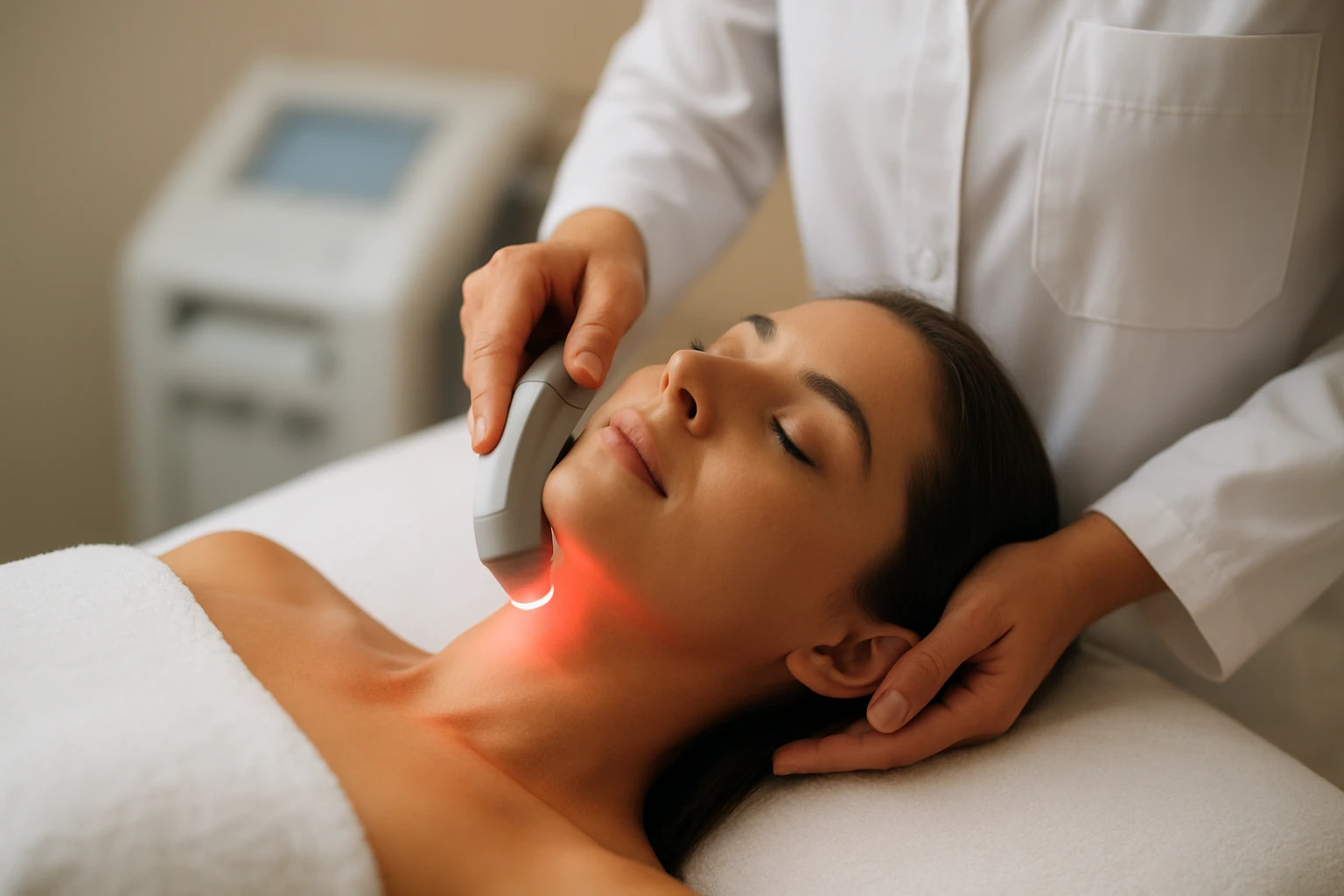
What it is: Pain relief is the headline, but the subplots matter. Anywhere Healing’s frequency therapy is designed to support healthy circulation and detoxification, enhance cellular communication and immune resilience, and promote stress relief, better sleep, and overall vitality. Laser’s localized energy can also have systemic ripple effects, but its strength is focused, regional care.
Why it matters: When natural cellular frequencies become disrupted, it can result in pain, stress, poor sleep, and other health imbalances. Addressing those background patterns is like fixing the dimmer switch, not just the bulb. Many readers report that as sleep quality improves, daytime pain becomes easier to manage because recovery finally happens at night.
Quick example: You start with a wearable to stabilize sleep and stress across two weeks. With your system calmer, a short series of targeted laser sessions clears the last 15 percent of elbow pain. Because your nights are steady, the improvement holds.
#10 Blending Both: A Smart, Drug-Free Combo
What it is: You do not have to choose either-or. Many people combine a short burst of non invasive laser treatment during an acute flare with continuous wearable frequency therapy to maintain calm between flares. The two modalities complement each other beautifully.
Why it matters: Acute issues often respond to focused energy, while chronic patterns respond to steady support. When you pair them, you can hit pain from both angles: fast relief for the hotspot and daily nudges for the system.
Quick example: After a tweak at the gym, you book two laser visits that week for quick control. Then your Alpha Wearable runs a calm-and-sleep routine each night so the tissue gets real downtime. You return to training with fewer setbacks.
How to Choose the Right Option
Use this simple framework to decide what to do first. If you are unsure, speak with a qualified clinician. This article is educational and not a substitute for personal medical advice.
- Pinpoint your pain pattern: Is it one spot or many? One spot leans laser first. Many spots or whole-body stress leans wearable.
- Check your calendar: If appointments are tough, start with a wearable. If you can attend a short series, laser can target a stubborn hotspot.
- Define your timeline: Need speed for an acute strain? Try laser first. Need steady support for sleep and stress? Wearable first.
- Consider your preferences: Hands-on clinician guidance vs self-directed daily care.
- Run a 2 to 4 week test: Track pain scores, sleep quality, and function. Adjust or combine based on your data.
| Scenario | Start with | Then consider | Why |
|---|---|---|---|
| Acute, localized flare-up | Non invasive laser treatment | Wearable frequency therapy | Fast, targeted relief first, then stabilize recovery between visits |
| Chronic, multi-site discomfort + poor sleep | Wearable frequency therapy | Targeted laser for any stubborn hotspot | System-wide calming and sleep first, then spot-treat residues |
| Busy schedule, limited clinic access | Wearable frequency therapy | Periodic laser if time opens up | Daily at-home support wins on adherence |
| Athlete in-season or high-demand work | Blend both | — | Keep baseline calm with wearables, add laser during spikes |
Where does Anywhere Healing fit into this picture? The company’s wearable options — Frequana, Alpha Wearable, and Charisma Ring — use advanced biosensors that read your body’s signals and deliver precise frequencies to reduce pain, improve sleep, and restore balance. They are designed to support healthy circulation and detoxification, enhance cellular communication and immune resilience, and promote stress relief, better sleep, and overall vitality. In other words, they aim to correct disrupted cellular frequencies so your body can initiate its natural recovery processes, day and night.
Conclusion
Two drug-free paths, one goal: feel better faster with either focused light or intelligent frequency support. Imagine choosing confidently, knowing whether your body needs a precise beam on a single sore spot or quiet, continuous support that helps you sleep deeper and move easier. In the next 12 months, a calm nervous system and steadier nights could be the difference between chasing pain and living your life again. Which step will you take first to harness non invasive laser treatment or a smart wearable and reclaim your best days?
Activate Drug‑Free Relief with Anywhere Healing
Experience a Non-invasive, drug-free wellness approach as our wearables read biosignals and correct disrupted frequencies to help your body kickstart natural recovery.
Start Drug-Free Relief


