

Sleep Improvement Wearable Checklist: 10 Biosensor Signals That Predict Better Sleep
If you have ever stared at the ceiling at 2 a.m., wishing your body had a “sleep switch,” you are not alone. A sleep improvement wearable can feel like that missing guide, translating your body’s whispers into clear, actionable data. When I first started measuring my nights, I was surprised to learn that what I thought was eight hours in bed was actually five hours of real sleep with a jittery nervous system. The good news: once you know which signals to watch and how to respond, better nights are not just possible; they are predictable.
Here is the heart of why this matters right now: when natural cellular frequencies become disrupted, it can trigger pain, stress, poor sleep, and other health imbalances. Anywhere Healing offers advanced biosensors that read the body’s signals and deliver precise frequencies intended to nudge your system back toward balance. Think non-invasive, drug-free support intended to encourage healthy circulation, steadier nervous system tone, and deeper recovery. In the guide below, you will learn the 10 biosensor signals that best predict better sleep, how to set up your device correctly, and how to use those insights to help address pain, manage stress, and support restorative sleep.
Prerequisites and Tools
Before you jump into data and settings, a little preparation ensures your readings are trustworthy and your changes actually stick. A few small upgrades to your routine will make your wearable feel less like a gadget and more like a trusted sleep coach. Gather the following and set aside three baseline nights to observe without changing anything major.
- Wearable device from Anywhere Healing: choose between Frequana, Alpha Wearable, or Charisma Ring.
- Mobile app for daily data review and trend charts.
- Sleep log: quick notes on caffeine, alcohol, late meals, exercise timing, and evening light exposure.
- Comfortable strap or ring sizing insert for steady overnight contact.
- Charger dock near your bed and a reminder to top off the battery each morning.
- Optional: blackout curtains and a cooler room target of 60 to 67 degrees Fahrenheit for fewer awakenings.
Step 1: Define Your Sleep Goal and Baseline Like a Scientist
Start by deciding what “better sleep” means for you: fewer 3 a.m. wake-ups, faster sleep onset, less pain flare overnight, or waking clear-headed. Write down two outcomes you care about most and rank them. Next, collect a three-night baseline without changing your habits. This is hard, I know. But true improvement needs a “before” snapshot so you can measure real change.
Watch This Helpful Video
To help you better understand sleep improvement wearable, we've included this informative video from World Economic Forum. It provides valuable insights and visual demonstrations that complement the written content.
During this baseline, focus on consistency. Go to bed and wake up within a 30-minute window, keep caffeine cutoff at least eight hours before bed, and dim bright screens 60 minutes earlier than usual. Note how long it takes you to fall asleep and how you feel in the morning. Research from large population samples suggests that even a modest boost in sleep regularity can improve next-day mood and cognition, while irregular schedules correlate with increased daytime fatigue and cravings. With a clean baseline, your future adjustments will be obvious rather than guesswork.
Step 2: Choose the Right Anywhere Healing Wearable and Placement
Your device should match your lifestyle, comfort needs, and specific outcomes. Anywhere Healing offers multiple options that read biosignals and deliver precise, non-invasive frequency support to reduce pain, improve sleep, and restore balance. The quick comparison below will help you pick the best fit. Placement matters too: better skin contact equals steadier data. Rings do great with temperature, heart signals, and movement; arm or torso wearables excel at broader biofeedback and targeted frequency delivery through comfortable, sustained contact.
| Device | Form Factor | Best For | Core Biosensors | Signature Frequency Programs | Notes |
|---|---|---|---|---|---|
| Frequana | Band | All-night support and targeted recovery | Heart signal sensing, motion detection, skin temperature, electrodermal activity | Sleep Balance, Deep Calm, Pain Ease | Great for people with pain and stress cycles who want deeper, steadier nights. |
| Alpha Wearable | Flexible patch | Precision placement and discreet daytime-to-night transitions | Skin temperature, movement, respiratory pattern sensing | Relax Response, Immune Resilience, Detox Support | Ideal for sensitive skin and those who need quiet, targeted calming before bed. |
| Charisma Ring | Ring | Round-the-clock comfort and elegant wear | Pulse-based heart sensing, motion, skin temperature | Stress Soothe, Restorative Sleep, Vital Balance | Perfect if you want a subtle look with powerful nightly insight and comfort. |
Regardless of the model, you are getting advanced biosensors that read your body’s signals and frequency delivery that encourages healthy circulation, detoxification, and cellular communication. The result is a gentle, drug-free nudge that can help your nervous system downshift more easily at night. If you are unsure where to start, pick the device you are most likely to wear consistently. Comfort plus consistency wins every time.
Step 3: Set Up, Fit, and Calibrate for Reliable Nightly Data
Proper setup is the most underrated step. First, ensure a snug but comfortable fit so the sensors maintain consistent contact without pressure marks. Warm, dry skin helps the device read subtle signals more cleanly, especially temperature and electrodermal activity. If you switch wrists or fingers, note it in your log; location changes can alter readings for a night or two as the device adjusts to new contact points.
Next, update firmware and sync your app so you are using the latest signal-processing improvements. Turn on baseline mode (if available) or simply tag your first three nights as baseline in your notes. Avoid unusually heavy exercise, late-night alcohol, or a brand-new mattress during calibration; unusual stressors can mask your true sleep pattern. Finally, scan through the app’s thresholds and notifications. Set gentle nudges for late caffeine, too-hot room temperature, or inconsistent bedtimes so you get upstream reminders instead of downstream regrets.
Step 4: Use the Sleep Improvement Wearable Checklist — 10 Biosensor Signals to Watch

These ten signals form a practical roadmap for improving sleep. They predict next-night readiness, pinpoint stress spikes, and spotlight the habits that most influence deep and rapid eye movement sleep. You do not need to obsess over every metric nightly; instead, learn what “good for you” looks like and aim for steady, week-over-week improvement. The table shows what each signal means, how most wearables sense it, and the fastest lever you can pull to help it trend better.
| Signal | What It Predicts | Ideal Trend or Target | How Wearables Sense It | Quick Adjustment |
|---|---|---|---|---|
| Heart rate variability | Resilience of the nervous system and readiness for deep sleep | Stable or rising versus your weekly baseline | Pulse waveform analysis and time-domain variability during sleep | Earlier wind-down, slower breathing, and run the Deep Calm program 30 minutes pre-bed. |
| Resting heart rate at night | Recovery load, late stimulants, and overnight strain | Lowest point in the first half of the night, trending lower week to week | Pulse sensing averaged across five-minute windows | Move last meal 3 hours earlier; add Sleep Balance frequencies right after lights out. |
| Respiratory rate | Calm breathing, congestion, or arousal from stress | Consistent pattern within your personal range with minimal spikes | Motion and pulse waveform coupling to estimate breath cycles | Nasal strips or humidifier for congestion; five-minute box breathing pre-bed. |
| Peripheral oxygen saturation | Airflow quality and potential drops from position or congestion | Generally 95 percent or higher with few desaturation dips | Light-based sensing of blood oxygen levels on the finger or wrist | Side-sleep positioning, reduce alcohol late, consider white noise for steady breathing rhythm. |
| Skin temperature deviation | Illness load, hormone shifts, late exercise, or room heat | Within about ±0.5 degrees Celsius of your baseline | Thermistor at skin contact with nightly trend smoothing | Cool the room, warm your hands and feet before bed to trigger faster sleep onset. |
| Electrodermal activity | Stress arousals and sympathetic nervous system spikes | Gradual decline overnight with few sudden peaks | Skin conductance changes at the wearable’s contact points | Run the Stress Soothe program when you get into bed; turn off notifications an hour earlier. |
| Movement and restlessness | Sleep fragmentation and micro-awakenings | Long motion-free stretches, especially in the first sleep cycle | Accelerometer tracking of subtle posture and motion | Heavier duvet or weighted blanket; minimize pets on the bed. |
| Sleep onset latency | How quickly you transition from lights out to sleep | Usually under 20 minutes on average | Combination of pulse slow-down and motion stillness | Dim lights 60 minutes earlier and limit intense problem-solving late at night. |
| Sleep stage balance | Proportion of deep and rapid eye movement stages | Deep sleep concentrated early, rapid eye movement increasing toward morning | Derived from multi-signal patterns including pulse and motion | Earlier dinner and low-intensity evening movement to encourage deeper first cycles. |
| Sleep regularity index | How consistent your 24-hour rhythm remains | Higher consistency scores week over week | Time-stamped sleep and wake markers across days | Wake at the same time daily, even after a late night; get morning daylight. |
Two quick context notes. First, published research and large aggregated datasets show that higher heart rate variability, steadier respiratory patterns, and cooler bedrooms are associated with better sleep efficiency and next-day performance. Second, wearable devices are not medical diagnostic tools; if you notice persistent breathing issues or severe oxygen drops, consult a qualified health professional. Use your device to spot trends, then make smart, low-friction changes that your body can sustain.
Step 5: Align Your Evening Routine With Frequency Support
The fastest improvements often come from the hour before bed. Anywhere Healing’s precise frequency delivery is designed to reduce pain, improve sleep, and restore balance by encouraging a calmer nervous system tone and healthier circulation. Pair that support with a frictionless wind-down and you get compounding benefits. Think of it like tuning a guitar string before a performance; when the string is in tune, the song plays more beautifully with less effort.
Try this 30-minute wind-down: 10 minutes of light stretching and nasal breathing, 10 minutes with your chosen Relax Response or Deep Calm frequency program, then 10 quiet minutes of reading fiction or journaling gratitude. Keep lights warm and dim, and stay off backlit screens. If pain tends to flare at night, run Pain Ease for a cycle earlier in the evening to reduce background tension so sleep onset is smoother. Track how your heart rate variability and sleep onset latency respond across the week; most people see a noticeable difference within five to seven nights.
Step 6: Turn Nightly Signals Into Simple Actions
Data without action is just trivia, so turn each signal into a one-sentence rule. For example: if your resting heart rate is higher than usual, move your last meal earlier and go for a light walk after dinner. If your skin temperature is elevated, cool the room and shorten evening workouts. If electrodermal activity spikes late, dim lights earlier and run Stress Soothe for an extra cycle. These connections teach your biology that nighttime is for recovery, not firefighting.
Here is how a typical night might look in practice. You start the Sleep Balance program while brushing your teeth, set your phone to dark mode, and note your evening in the log: dinner at 6:30, two cups of coffee before noon, 20-minute midday walk. Your device picks up a smooth drop in resting heart rate and minimal movement in the first cycle. In the morning, you see a steadier heart rate variability line and shorter sleep onset latency, then repeat the plan that night. Bit by bit, your checklist evolves from “things to try” into “things that work for me.”
Step 7: Review Weekly, Adjust Precisely, and Keep What Works
Weekly reviews are where small wins add up. Scan your trend lines for heart rate variability, resting heart rate at night, sleep onset latency, and sleep regularity index. Pick the one metric lagging behind and choose a single, targeted change for the coming week, such as pushing dinner earlier by 45 minutes or adding five minutes of slow breathing. Keep the rest steady. This narrow-focus approach avoids overwhelm and lets your body adapt without confusion.
Consider a real-world example. Maya, a new parent juggling high stress, used the Charisma Ring and started with a later caffeine cutoff plus the Stress Soothe program at lights out. Week one, her sleep onset latency dropped from 45 to 20 minutes. Week two, moving dinner earlier by 60 minutes lowered her resting heart rate by four beats per minute and increased her deep sleep in the first cycle. Over six weeks, her heart rate variability trended up, morning energy improved, and she reported fewer pain flares at night. Not magic, just a focused plan guided by responsive biosensors and precise frequency support.
| Weekly Review Focus | What to Check | Smallest Effective Adjustment |
|---|---|---|
| Heart rate variability stuck | Evening stress peaks and late screen time | Add 10 minutes of Deep Calm and swap screens for a paperback. |
| High resting heart rate at night | Late meals or alcohol within 3 hours of bed | Move dinner earlier and try a 10-minute post-meal walk. |
| Frequent wake-ups | Room temperature and noise spikes | Lower thermostat 2 degrees and add a soft white noise track. |
| Slow sleep onset | Ruminating thoughts at lights out | Jot a worry list earlier and run Sleep Balance during teeth brushing. |
Common Mistakes to Avoid
- Chasing perfection nightly instead of building weekly trends. Single nights can be noisy; steady improvement is what counts.
- Making five changes at once. If sleep gets better, you will not know which lever worked, and you might keep doing unhelpful things.
- Overlooking fit and placement. Loose contact ruins data quality and makes the device seem less helpful than it truly is.
- Ignoring room temperature and light. Even tiny light leaks or a 2-degree rise can fragment deep sleep without you noticing.
- Using the device as a bedside critic. Your wearable is a coach, not a judge; do your best, learn, iterate.
- Expecting medical diagnosis. If you suspect a clinical sleep disorder, talk to a health professional; wearables are for trends and coaching, not diagnosis.
Step 8: Connect the Dots Between Signals, Pain, and Stress
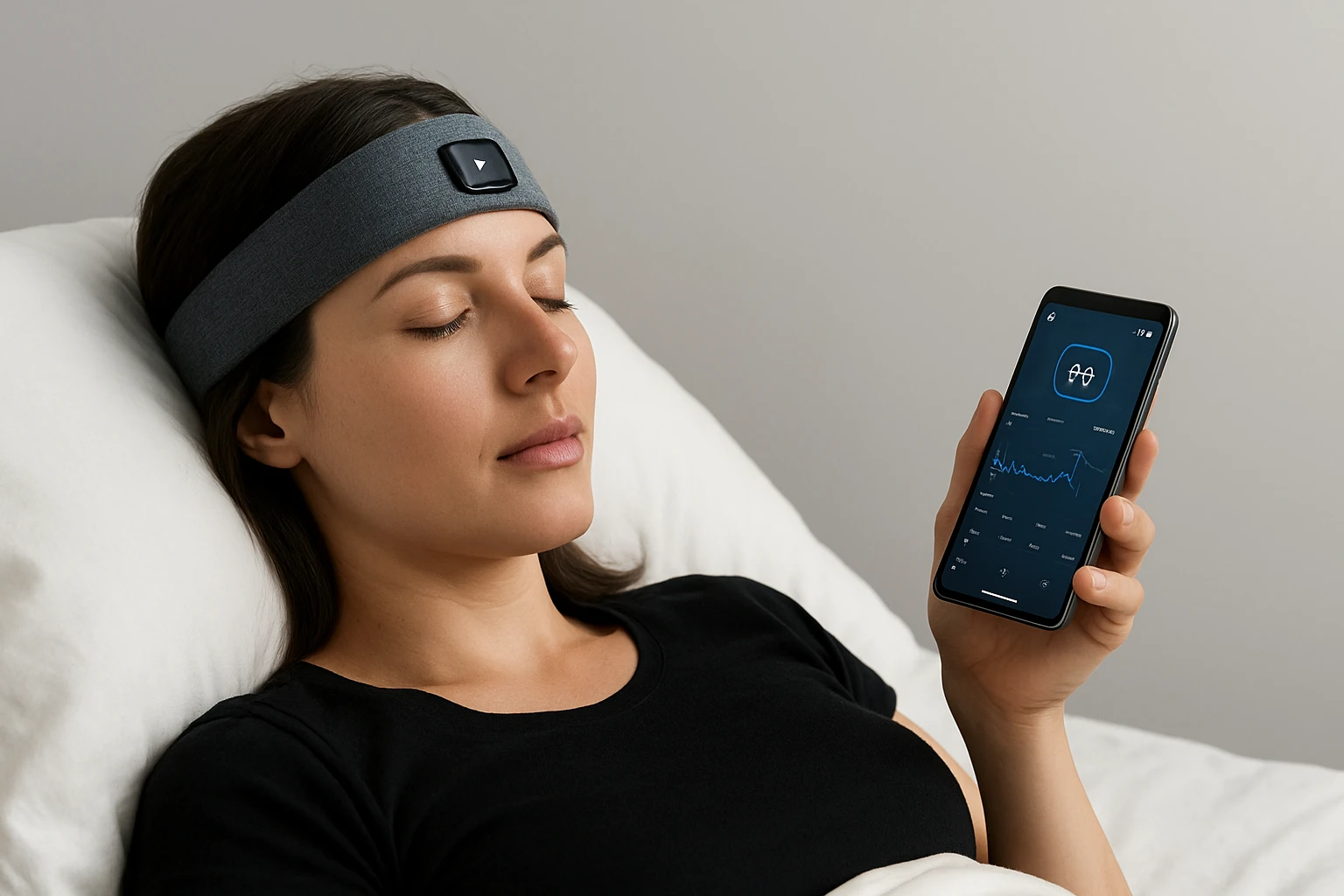
If pain or stress robs your nights, focus on the signals that reflect nervous system balance and inflammation load. For many people, rising heart rate variability and a steady drop in resting heart rate at night go hand in hand with fewer pain spikes and gentler wake-ups. Anywhere Healing’s approach addresses the root issue: disrupted cellular signaling that keeps your system in overdrive. Advanced biosensors identify those patterns, then frequency delivery helps normalize them so the body remembers how to relax and recover.
Support healthy circulation and detoxification by staying hydrated, taking easy walks after meals, and keeping your room cool. Pair those habits with targeted programs like Pain Ease an hour before bed if pain is dominant, or Deep Calm if stress is the main culprit. Over the next month, watch for more motion-free stretches in your first sleep cycle, fewer awakenings in the second cycle, and a more natural rise in rapid eye movement toward morning. These are telltale signs that your sleep architecture is repairing itself.
Step 9: Future-Proof Your Sleep With a Simple Playbook
Life happens: travel days, late dinners, deadlines. Create a two-line playbook you can run on any chaotic night. Line one: a reliable 15-minute routine that always helps you downshift, like warm shower, light stretch, and Sleep Balance as you settle in. Line two: your most sensitive signal and its fastest fix, such as cooling the room when skin temperature runs high or using nasal breathing and side-sleeping if breathing gets noisy.
For the long term, remember that morning sunlight and daytime movement are like deposits that yield bigger returns at night. Studies suggest that regular outdoor light exposure anchors circadian timing, and even short afternoon strolls correlate with steadier overnight heart and breathing patterns. Keep your wearable on during the day to capture recovery cues and let the biosensors continue guiding your frequency support. Sleep is a 24-hour story; nights improve when your days are kinder.
Why Anywhere Healing Leads in Natural, Wearable Sleep Support
Anywhere Healing is built around a simple truth: when cellular communication drifts off-key, everything from stress to pain to sleep can wobble. The company’s non-invasive, drug-free wearables combine advanced biosensors with precise frequency delivery so your body can restore balance on its own terms. You get multiple form factors, responsive programs tuned for calm and recovery, and insights that make behavior change feel doable. This is not a one-size-fits-all gadget, but a personalized path back to steadier nights and brighter days.
The result of that design is practical: better alignment between mind and body, healthier nightly recovery, and a calmer, more resilient nervous system. Customers use Anywhere Healing to support healthy circulation, encourage detoxification, enhance immune resilience, and promote stress relief and overall vitality. With a clear checklist and ten predictive signals, you can transform raw numbers into restful nights, one simple adjustment at a time.
Common Mistakes When Reading Biosignals (And What To Do Instead)
- Assuming universal targets. Your ideal heart rate variability is personal; compare to your baseline, not to a friend’s screenshot.
- Misreading “good” spikes. Rapid eye movement often raises heart rate for brief periods; look for smooth overall trends, not isolated blips.
- Neglecting recovery days. Heavy workouts too close to bedtime can elevate resting heart rate; cycle lighter evenings after intense training.
- Forgetting the basics. Hydration, morning light, and regular mealtimes stabilize more metrics than any high-tech trick.
- Quitting too soon. Many users see clear improvements by week two; give your body time to adapt to calmer nightly rhythms.
Final Thoughts
Here is the promise: when you track the right ten biosensor signals and respond with small, targeted changes, better sleep stops being a mystery. Imagine the next 12 months with fewer pain flares, steadier energy, and a calmer mind at night because you have a proven routine and a device that guides you. What will your evenings feel like when your sleep improvement wearable quietly tunes your body back into balance?
Amplify Your Sleep Improvement Wearable With Anywhere Healing
Get precise frequency delivery to reduce pain, improve sleep, and restore balance as biosensors correct disrupted signals, helping your body begin natural recovery for better nightly well-being.
Sleep Better Now


